

Ahmed Kamel – Egypt Daily News
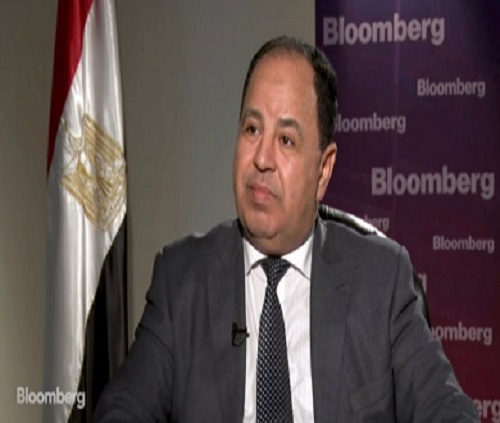
The Executive Director of the International Monetary Fund and representative of the Arab Group, Dr. Mohamed Maait, confirmed that Egypt’s comprehensive credit program aimed directly at stabilizing macroeconomic pillars. Speaking during a national broadcast on Tuesday evening, August 11, 2026, the high-level monetary official stated that recent structural adjustments successfully expanded international foreign currency reserves while systematically driving down localized hyperinflation percentages.
Maait clarified that the multi-billion-dollar reform initiative was designed as a highly sovereign national framework meticulously tailored to guard local macroeconomic developmental targets. The institutional goal behind stabilizing primary indices is to create an immediate positive reflection on the daily living conditions of everyday citizens through the generation of sustainable GDP growth metrics.
Monetary Adjustments Leverage Lower Borrowing Costs to Accelerate Industrial Production Lines
The structural program aims to depress commercial interest rates rapidly to encourage private corporate borrowing and catalyze domestic manufacturing output. By unlocking cheap structural financing, the central bank expects local manufacturing enterprises to scale up their outbound export volumes and generate alternative channels of baseline foreign currency revenue.
Maait emphasized that creating ample budgetary breathing room remains an absolute necessity to allow the sovereign state treasury to invest heavily in human development, healthcare infrastructure, and public education. The economic strategist noted that while international financing packages were critical to helping Egypt safely navigate its prior balance of payments deficit, the state must now confidently manage its financial future independently.
Sovereign Crisis Facilities Labeled as Diplomatic Exemptions Rather Than Permanent Budgetary Realities
The former finance minister stated that securing direct financial intervention from the global lender of last resort represents an extraordinary exception rather than an ongoing economic rule. Maait explained that standard state craft mandates that individual nations independently author their structural fiscal policies and execute them without perpetual reliance on external emergency credit lines.
The director expressed intense hope that the external, uncontrollable geopolitical parameters that originally forced the country into crisis financing will never materialize again within the Mediterranean basin. He underscored the critical importance of achieving total political harmony regarding the next phase of the national economic roadmap to insulate state finances from volatile transcontinental disruptions.
Regional Geopolitical Tensions Cause Extended Fiscal Rifts Across Transcontinental Shipping Hubs
Maait concluded his administrative address by warning that the prolonged security instability unfolding across the Middle East continues to cast severe economic shadows over regional growth trajectories. The ongoing geopolitical friction places a heavy burden on developing sovereign infrastructure, directly impacting tourism cash flows and international Suez Canal transit revenues.
To offset these external systemic vulnerabilities, the executive administration is aggressively working to maximize the economic footprint of the private sector within the national industrial grid. Financial analysts forecast that successfully boosting private sector participation will provide the sovereign economy with the essential resilience required to protect the domestic market from cascading international supply shocks.
