

Ahmed Kamel – Egypt Daily News
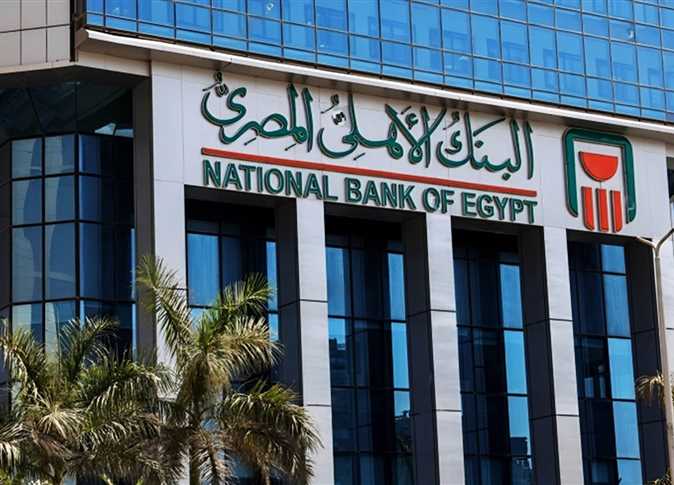
The Central Bank of the United Arab Emirates has approved a preliminary request by the National Bank of Egypt to acquire the branches of Banque Misr operating in the UAE, according to a joint announcement by the two Egyptian state-owned banks.
The proposed transaction is part of a broader plan to reorganize the banks’ overseas operations and create a more integrated Egyptian banking presence in the Emirati market. The institutions said the arrangement remains subject to the completion of legal, regulatory and procedural requirements under UAE law.
The announcement did not disclose the financial value of the proposed transaction or provide a timetable for completing the transfer. It also did not specify whether the National Bank of Egypt would acquire all of Banque Misr’s UAE operations or assume only the branches and related activities covered by the preliminary agreement.
Both banks emphasized that the process would be carried out gradually and in coordination with the UAE central bank and other relevant authorities. They said the primary objective was to ensure that the transfer would not disrupt banking services or affect the rights of customers and business partners.
The restructuring reflects changes in the international banking sector, where financial institutions are increasingly reviewing their overseas networks in response to higher regulatory requirements, changing customer behavior and pressure to improve operational efficiency. Rather than maintaining overlapping branch networks, banks in some markets have sought to consolidate their operations under a single institution.
For Egypt, the plan could create a more unified banking platform in the UAE, one of the country’s most important economic and financial partners. The Emirates hosts a large Egyptian expatriate community, while trade, investment, tourism and remittance flows link the two economies closely.
The National Bank of Egypt and Banque Misr are among Egypt’s largest banks and have historically played a major role in supporting Egyptian companies and citizens abroad. Their UAE branches provide services that include corporate banking, trade finance, money transfers and support for Egyptian individuals working or investing in the country.
A combined presence could allow the National Bank of Egypt to expand its customer base and strengthen its ability to serve Egyptian businesses operating between the two countries. It could also make it easier for companies to manage payments, access financing and conduct transactions connected to bilateral trade.
The banks, however, face the challenge of completing the transfer without creating uncertainty for customers. Any change in ownership or management must be accompanied by clear communication regarding account numbers, contractual obligations, banking applications, payment instructions and access to deposits.
Customers may also need assurances that existing agreements will remain valid and that the transfer will not lead to unexpected changes in fees, interest rates or service conditions. The announcement indicated that protecting customers and all parties dealing with the two banks would remain a central condition throughout the process.
Banque Misr expressed appreciation to the Central Bank of the UAE and other Emirati authorities for their cooperation during the bank’s years of operation in the country. The statement recognized the regulatory support that enabled the bank to maintain its presence and provide services to customers in the UAE.
The National Bank of Egypt, meanwhile, said it looked forward to developing a long-term banking and institutional relationship with the UAE, its regulatory bodies and its financial sector. That language suggests the bank views the proposed acquisition not simply as a transfer of branches but as an opportunity to deepen its role in the Emirati market.
The approval remains preliminary, meaning the transaction has not yet reached its final stage. The banks must complete the required documentation, satisfy regulatory conditions and obtain any additional approvals before the transfer can be finalized.
The UAE central bank is expected to monitor the process closely to ensure compliance with local banking rules, protect depositors and preserve the stability of the financial system. The regulator’s involvement will also be important in managing the transfer of assets, liabilities, employees, customer records and operational responsibilities.
If completed, the transaction would mark a significant adjustment in the overseas strategies of Egypt’s two largest state-owned banks. It would place a larger share of Egyptian banking activity in the UAE under the National Bank of Egypt while allowing Banque Misr to reorganize its international operations.
Both institutions stressed that the transition would be orderly and conducted with the interests of customers in mind. The success of the plan will ultimately depend on how effectively the banks manage the regulatory process and communicate with the individuals and companies affected by the change.
