

Ahmed Kamel – Egypt Daily News
Egypt’s Ministry of Supply and Internal Trade has reaffirmed the maximum prices and prescribed weights for tourist bread and fino bread, ordering private bakeries to continue complying with the rules set out in Ministerial Directive No. 5 of 2026.
The ministry said the directive remains in effect nationwide and applies to bakeries producing and selling unsubsidized tourist bread and European-style fino bread. Bakeries are required to sell the products at or below the official price ceilings and must ensure that every loaf meets the specified weight.
The decision is intended to protect consumers from overcharging and prevent bakeries from reducing loaf sizes while maintaining the same prices. Authorities have also instructed bakeries to display prices and weights clearly so customers can check the cost and size of the product before making a purchase.
Under the directive, the maximum price for an 80-gram tourist bread loaf is two Egyptian pounds. A 60-gram loaf may be sold for no more than 1.5 pounds, while the maximum price for a 40-gram loaf is one pound.
The rules also establish three price and weight categories for fino bread. A 50-gram fino loaf is capped at two pounds, a 40-gram loaf at 1.5 pounds and a 30-gram loaf at one pound. These limits apply to the listed weights and may not be exceeded unless the government issues a new decision.
The ministry has emphasized that the measures are mandatory rather than advisory. Bakeries are not allowed to charge additional amounts for the regulated loaves or sell bread that weighs less than the amount stated on the price notice. Any failure to display the official information may also result in legal action.
Supply Minister Sherif Farouk instructed the ministry’s monitoring and distribution sector, along with local supply directorates, to intensify inspections of tourist and European bakeries. Inspectors are expected to conduct regular visits throughout the day, examine the scales used by bakeries and compare the advertised prices with the amounts charged to customers.
The inspection campaign is also designed to detect other violations, including the use of incorrect weights, the sale of bread above the permitted price and the failure to post information in a location visible to consumers. Authorities said legal measures would be taken against businesses found to be violating the directive.
The ministry has reported that some bakeries have already been cited for irregularities involving both weight and price. Officials said enforcement would continue across Egypt’s governorates and that local directorates had been ordered to submit reports on violations and serious market developments.
The renewed monitoring comes as Egyptian households remain sensitive to changes in food prices. Bread is a daily staple for millions of people, and even small increases can affect family budgets, particularly when combined with rising transportation, energy and other food costs.
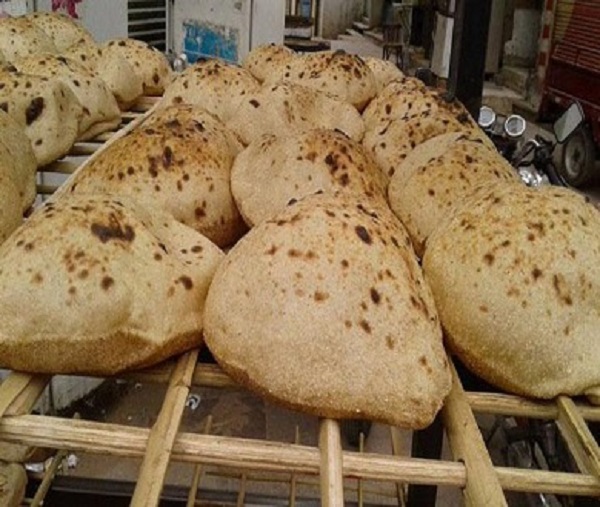
Tourist bread is sold through private bakeries and differs from the subsidized baladi bread distributed through Egypt’s government-supported bread system. Fino bread, which is commonly used for school meals and sandwiches, is especially important to families during the academic year. Demand for smaller bread products often increases when schools reopen, placing additional pressure on bakeries and household spending.
The ministry’s rules also seek to prevent disruption to subsidized bread supplies. Bakeries producing tourist and fino bread are required to rely on their own supplies of 72-percent-extraction flour, according to the directive. The requirement is intended to separate the private market from the flour allocated to the subsidized bread program and ensure that support for eligible consumers is not affected.
Officials have called on bakery owners to cooperate with inspectors and follow the rules without attempting to pass higher operating costs directly to consumers through unauthorized price increases. Bakeries must ensure that their production, weighing and pricing practices are consistent with the directive.
Consumers have also been encouraged to check the weight of bread when possible and to report suspected violations. Complaints about prices, missing weight or the absence of clearly displayed information can be submitted through Egypt’s unified government complaints system by calling 16528. Consumers may also contact the Consumer Protection Agency through its hotline at 19588.
The ministry said complaints would help authorities identify areas where violations are occurring and direct inspections more effectively. It added that the purpose of the campaign was not only to punish businesses but also to improve transparency and stabilize the market.
For bakery owners, continued compliance will be important as inspectors increase their presence. Businesses that repeatedly sell bread above the permitted price or provide loaves below the required weight could face more severe penalties under existing consumer-protection and supply laws.
The government’s latest statement confirms that the official price ceilings remain unchanged: two pounds, 1.5 pounds and one pound for tourist bread weighing 80, 60 and 40 grams respectively, and the same price pattern for fino bread weighing 50, 40 and 30 grams. Authorities have not announced any new increases or reductions, and the current rules will remain in force until another ministerial decision is issued.
