

Ahmed Kamel – Egypt Daily News
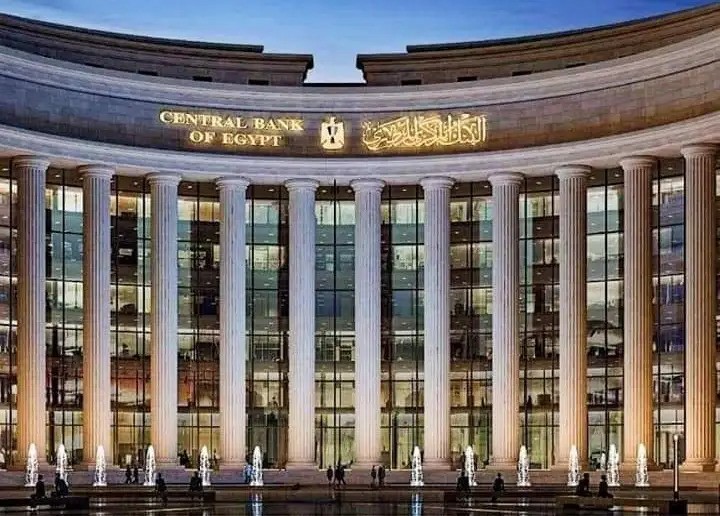
Egypt ended September with a slightly larger stock of foreign reserves than it held a month earlier, adding $134 million to reach $57.348 billion, according to figures released by the Central Bank of Egypt. The increase was modest compared with the total, but it maintained the upward movement recorded in recent months.
At the end of August, the country’s net international reserves stood at $57.214 billion. The September rise amounted to about 0.23 percent of that balance. The figures provide a monthly snapshot of assets available to support external payments and help cushion the economy against disruptions in foreign-currency inflows.
A reserve total is made up of more than dollar cash. Central banks typically hold a mix of widely traded currencies and gold, alongside other reserve assets. Egypt’s currency holdings include the US dollar, euro, British pound, Japanese yen and Chinese yuan. The value of those holdings, when reported in dollars, can shift as exchange rates move. Gold-price changes can also affect the headline total.
That means a month-on-month increase does not necessarily indicate that every part of the reserve portfolio grew. The published figure gives the overall value, but the information provided with the September total does not break down how much of the change came from currency movements, gold valuation or financial transactions.
Reserves matter because they give the central bank resources to meet foreign-currency needs. These can include payments for essential imports and the servicing of external debt. They can also provide support during periods when foreign currency arriving from exports, tourism, investment or other sources becomes less reliable.
The reserve figure is therefore one measure of the country’s capacity to manage external obligations, rather than a complete account of economic conditions. It does not by itself show how much foreign currency businesses and households can access, how large upcoming debt payments are, or whether export and investment receipts are sufficient to cover future needs.
September’s gain was far smaller than the increase reported for August, when the reserves rose from July’s $56.294 billion to $57.214 billion. The contrast underscores the importance of following the trend over time instead of drawing broad conclusions from a single monthly movement.
For policymakers, maintaining a substantial reserve stock can help reassure markets and support the country’s ability to pay for imports and meet obligations abroad. But the strength of that buffer is best understood alongside other indicators, including the composition of reserves, external debt commitments, import costs and foreign-currency earnings.
The September release shows that Egypt’s reserve total continued to rise, reaching $57.348 billion at month-end. It does not, on its own, explain what drove the increase or establish whether external financial pressures have eased. Those questions depend on the details behind the headline balance and on the wider flow of foreign currency through the economy.
