

Ahmed Kamel – Egypt Daily News
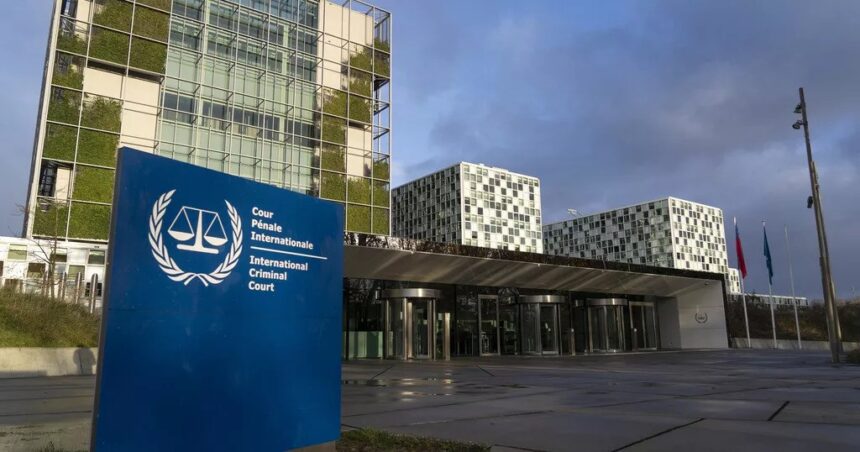
The U.S. has placed the International Criminal Court under sanctions, a move that raises the financial and operational stakes in its dispute with the tribunal. At the same time, a Treasury authorization allows certain dealings connected to the court to continue for a limited period, creating a narrow exception rather than lifting the restrictions.
The Treasury Department’s Office of Foreign Assets Control added the ICC to its list of sanctioned entities under a program tied to Executive Order 14203. The listing identifies the court, based in The Hague, as the entity subject to the measure. Treasury’s accompanying general license permits specified transactions that are needed to keep some existing activities running or to bring them to an orderly close. That permission extends to April 7, 2027, but applies only within the license’s terms and exceptions.
The distinction matters. A sanctions listing can restrict access to property and financial services subject to U.S. jurisdiction, while a general license authorizes particular activities that would otherwise be barred. The authorization does not amount to a broad exemption for all business involving the ICC. Organizations considering payments, contracts or services connected to the court must still determine whether the specific activity is covered and whether other restrictions apply. Treasury’s program includes additional licenses for limited categories of activity, underscoring that permissions are defined by scope rather than by a general suspension of sanctions.
The court denounced the U.S. action, saying it threatened the ICC’s ability to function and could deter people and institutions from working with it. It also argued that the pressure would not change its course. The court pointed to the states that have joined the Rome Statute as central to its ability to withstand the measures, putting the emphasis on whether member governments will provide practical support as well as public backing.
The designation is part of a broader campaign launched in February 2025, when President Donald Trump signed Executive Order 14203. The order accused the ICC of acting beyond its authority and framed its actions as a threat to U.S. sovereignty and national security. It provided for sanctions and other restrictions against people considered responsible for the court’s conduct. Washington’s position rests in part on its refusal to accept the court’s authority over U.S. nationals in circumstances it considers outside the tribunal’s proper reach.
The ICC was established by the Rome Statute, which entered into force in 2002. It prosecutes individuals accused of genocide, war crimes, crimes against humanity and the crime of aggression. The United States has not joined the treaty. The court’s jurisdiction can nevertheless apply in certain cases, including when alleged crimes take place on the territory of a member state. That divide between the court’s treaty-based claims of authority and Washington’s objections has been at the heart of repeated disputes.
The latest action also follows sanctions against individual court officials. In August, the United States targeted ICC President Tomoko Akane and senior prosecutor Abdoulaye Seye. The court said those measures undermined judicial independence. The United Nations expressed concern about the sanctions, while emphasizing that the UN and the ICC are separate organizations with different mandates.
The implications may extend beyond the court’s staff. Banks and companies that provide financial, technical or other services could decide that even permitted work carries too much compliance risk. Such decisions can narrow the court’s access to support regardless of whether a particular transaction is technically authorized. Human-rights advocates have also warned that sanctions directed at the court could affect groups and individuals who assist its work, including civil-society organizations and representatives of victims.
For now, the Treasury license provides a defined window for some transactions, but it does not settle the larger conflict or guarantee uninterrupted operations. The court’s reliance on member states may grow if commercial partners withdraw or services become harder to obtain. Whether those states can help sustain the tribunal and how the U.S. government will enforce its restrictions will shape the next stage of a dispute that pits competing claims about sovereignty, jurisdiction and international justice against one another.
