

Ahmed Kamel – Egypt Daily News
Aid agencies are warning that the blockade of Taiz City is worsening an already severe humanitarian emergency. Fighting has prevented many aid workers from reaching the city, while residents face growing shortages of food, fuel, water and medical care.
The city has been surrounded by Houthi forces fighting troops aligned with Yemen’s internationally recognized government. According to the UN Office for the Coordination of Humanitarian Affairs, access roads have been cut, leaving little fuel, food or other supplies able to reach Taiz since the latest isolation began. After 20 days of restricted access, agencies said that continued fighting was also making it difficult for residents to leave.
The World Food Programme said more than 800,000 people in Taiz have been cut off from assistance. This includes about 600,000 people who depend on humanitarian aid and 200,000 women and children. The agency is trying to restore access while continuing its broader work across Yemen, but the blocked routes are obstructing the delivery of essential supplies.
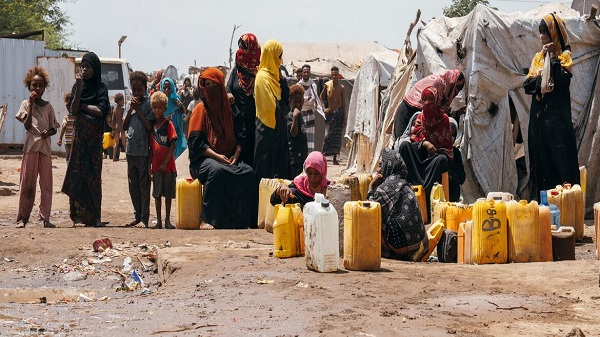
The disruption is affecting water as well as food. Many households in Taiz rely on water delivered by truck. With roads closed and diesel scarce, water production in the city has fallen by about half, according to OCHA. The price of trucked water has roughly tripled, making it increasingly difficult for families to secure enough for drinking, cooking and basic hygiene.
The shortage illustrates how closely the emergency’s different pressures are connected. Fuel is needed to transport water and operate equipment; blocked roads impede the delivery of fuel; and higher transport costs are reflected in the price residents pay. For people already struggling to afford food and other essentials, the increased cost of water adds another burden.
Children are particularly vulnerable. UNICEF reported that it had screened more than 168,000 children in Taiz this year. More than 52,000 were found to be acutely malnourished, including over 11,500 suffering from severe acute malnutrition. The figures point to an urgent need for treatment, especially as access to health facilities and supplies becomes more difficult.
UNICEF has positioned nearly 8,000 cartons of ready-to-use therapeutic food across Taiz governorate. The stock is expected to support services for approximately three months. But available supplies do not automatically reach children who need them. Disrupted roads can prevent aid partners from transporting treatment, while insecurity can make it difficult for families to travel safely to clinics.
The access problems also threaten health services more broadly. Facilities need fuel, medicines and other basic materials to continue operating. When supplies cannot enter the city, hospitals and clinics may struggle to maintain essential services even as the number of people requiring care rises.
Displacement is adding pressure across the region. The International Organization for Migration recorded approximately 258,679 displaced people between June 7 and October 19, with most in Taiz and Lahj governorates. Many families have been forced to move repeatedly, seeking shelter in communities and displacement sites that are already overstretched.
The effects are also being felt beyond Yemen. As of October 17, 3,836 Yemeni nationals had arrived in Djibouti, reportedly fleeing the deteriorating security situation. Their arrival reflects the growing movement of people seeking safety as conflict and instability disrupt daily life.
The broader conflict has caused a heavy toll. Reports covering the period since August recorded at least 1,574 people killed and 6,939 injured. Those figures underline the dangers facing civilians and aid workers as fighting continues and access routes remain insecure.
The current escalation has ended a period of relative calm associated with the 2022 truce. Humanitarian organizations are now urging that routes be opened so assistance can reach the city and residents can move to safety and essential services. For Taiz’s population, the consequences of isolation are immediate: less water, increasingly costly necessities, interrupted medical care and fewer ways to obtain food.
Aid agencies say they are continuing to support operations where access remains possible, but local capacity and pre-positioned supplies cannot fully replace regular deliveries. If the restrictions persist, stocks will become harder to move and the needs of families trapped in the city are likely to grow.
