

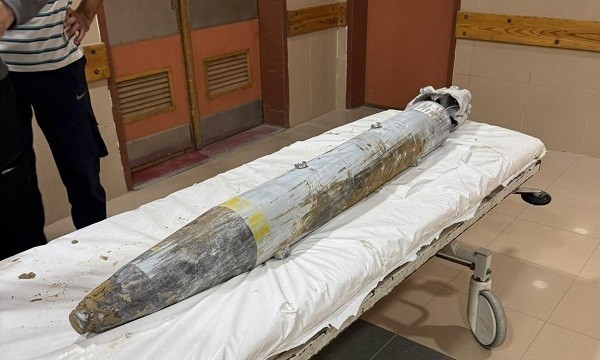
Eighteen Arab and Muslim-majority countries have condemned an Israeli airstrike on Nasser Medical Complex in Khan Younis, southern Gaza, and urged the United States and the Board of Peace to press for Israel to meet its obligations under the ceasefire agreement.
In a joint statement issued Saturday, the countries expressed concern over continued attacks on Palestinians and restrictions on humanitarian aid. They called for an end to attacks on civilians and tents sheltering displaced people, and for more aid to enter Gaza. The statement warned that continued strikes and restrictions were undermining the ceasefire and efforts to restore security in the territory.
The condemnation followed an Israeli strike on the hospital complex, which caused casualties among patients and medical staff, according to the statement. The countries said medical facilities and healthcare workers must be protected and called for the safe and sustained delivery of humanitarian assistance, including shelter supplies and materials needed to restore essential infrastructure.
The appeal came as Gaza’s Ministry of Health reported that 16 Palestinians had been killed over the previous 48 hours. The ministry said the reported death toll since Oct. 8, 2023, had reached 74,695. The figures were issued by the ministry and could not be independently verified.
Violence was also reported elsewhere in the territory. In Jabalia, northern Gaza, two Palestinians were killed and others injured when an Israeli drone struck a gathering near a Civil Defence facility, according to medical sources. Al-Shifa Medical Complex said the number of people killed in that attack had risen to two.
In southern Gaza, Israeli artillery struck areas south of Khan Younis, while military vehicles reportedly fired toward central, eastern and northeastern parts of the city. Gunfire was also reported east of Gaza City and northeast of the Bureij refugee camp in central Gaza.
The latest developments followed a meeting in Cairo involving the intelligence chiefs of Egypt, Qatar and Türkiye. The officials called for an immediate halt to Israeli attacks and for implementation of the first phase of the ceasefire agreement to continue. According to Egypt’s official Middle East News Agency, the participants also called for increased humanitarian assistance and agreed to take steps supporting efforts toward lasting peace.
Egypt, Qatar and Türkiye, along with the United States, have served as mediators in the ceasefire process. The agreement has faced difficulties in implementation despite the announced move to its second phase on Jan. 15.
The joint statement by the 18 countries urged Israel to carry out its obligations under the Sharm el-Sheikh agreement, the U.S. president’s comprehensive plan and United Nations Security Council Resolution 2803. It also called on Washington and the Board of Peace to intensify efforts to ensure those commitments are implemented and restrictions on aid are lifted.
The statement said humanitarian assistance should proceed independently of progress on later phases of the agreement. It called for aid to enter in sufficient quantities and for United Nations agencies and humanitarian organizations to be allowed to operate without obstruction.
The scale of aid entering Gaza remains a point of dispute. Gaza’s Government Media Office said on Nov. 2 that it had recorded 5,989 Israeli violations of the ceasefire since it took effect. It said those incidents had killed more than 1,590 Palestinians and injured over 5,740, while 217 people had been detained. These figures were provided by the office and have not been independently verified.
The office also said 77,657 aid trucks had entered Gaza out of 232,800 that it said should have been allowed under the agreement, representing 33.3 percent of the planned total. The Israeli government’s account of the ceasefire and aid situation was not included in the information provided.
Displacement and housing needs remain pressing concerns. Many families are still living without adequate replacement homes as repairs to damaged buildings proceed slowly. Restrictions on construction materials and shelter supplies have further complicated efforts to provide housing, according to the supplied report.
The 18 countries said continued attacks and limits on aid risk worsening already difficult humanitarian conditions. Their statement calls for the ceasefire to be upheld, civilian and medical facilities to be protected, and aid access to be expanded. No new enforcement measures or timetable for action were announced.
