

Ahmed Kamel – Egypt Daily News
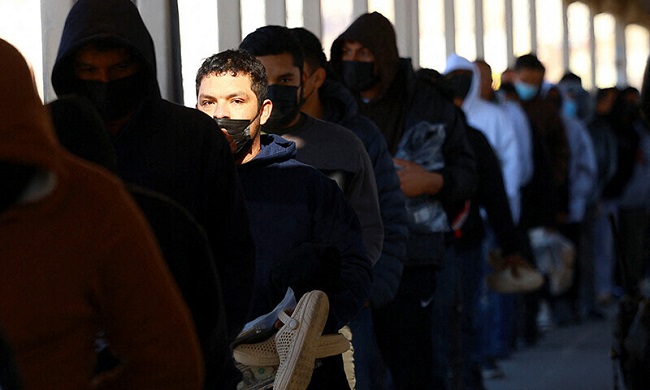
The United States is now deporting nearly 1,300 individuals per day, marking the most aggressive enforcement pace in years, according to new data released by U.S. Immigration and Customs Enforcement (ICE). The figures reflect a sharp escalation under President Donald Trump’s administration, which has made immigration control a cornerstone of its domestic agenda.
As of July 26, ICE reported 246,287 deportations since the beginning of the fiscal year, a significant jump from the 228,282 reported just two weeks earlier on July 12. That translates to an average of 1,286 deportations per day. If the trend continues, the total number of removals could surpass 470,000 by year’s end well above the previous modern record of approximately 420,000 set during President Barack Obama’s administration in 2012.
The figures, first reported by The Washington Times, underscore the Trump administration’s intensified efforts to crack down on undocumented immigration following what it refers to as the “border chaos” during President Joe Biden’s tenure. The administration has pledged to reverse what it views as lax enforcement policies by dramatically expanding detention and deportation operations.
Legal and Logistical Hurdles
Despite the rise in deportations, ICE has faced several legal challenges that have complicated its operations. A federal judge in Los Angeles ruled last month that certain immigration raids conducted in June violated constitutional protections. Meanwhile, a judge in Washington blocked the use of “expedited removal” procedures against migrants who had been granted humanitarian parole under Biden-era policies.

These rulings have limited ICE’s ability to apply rapid deportation powers, especially against those who entered the country with some form of legal status or temporary relief. Still, the agency has been pushing forward by using its increased resources and expanded detention infrastructure.
Currently, ICE is holding 56,945 individuals in detention centers across the country—just below the June peak of 57,861 but significantly higher than the 30,000–40,000 range seen during the previous year. These facilities have been bolstered by a budget increase approved under President Trump, allowing for greater detention capacity and a broader reach in enforcement.
Arrests Down, Removals Up
While deportations are rising, the number of daily apprehensions has actually declined to under 900, indicating that ICE may be focusing more on processing and removing individuals already in custody rather than conducting new arrests at the same rate. The agency’s strategy now appears to prioritize the clearing of existing cases, aided by an administrative push to streamline removal proceedings.
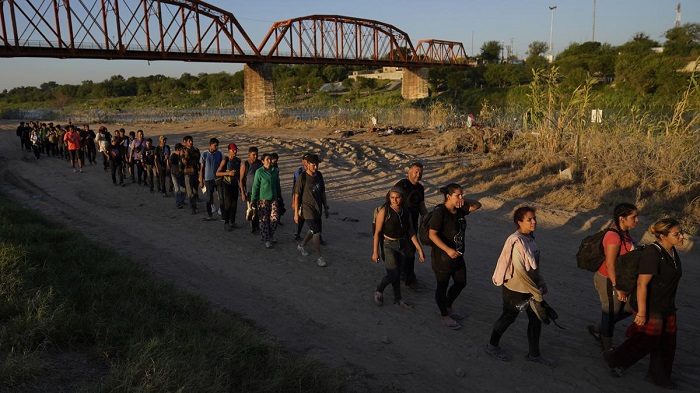
This tactical shift could reflect political and logistical realities, as new enforcement efforts often face delays due to legal protections, asylum claims, or lack of coordination with foreign governments for repatriation.
Political Implications
The Trump administration has framed the deportation surge as a necessary step to “restore order” after what it has characterized as an immigration crisis under the Biden administration. Critics, however, argue that the aggressive ramp-up risks violating civil liberties and undermining humanitarian protections for vulnerable populations.
Immigration advocates warn that many of those being deported include long-term residents, asylum seekers, and individuals with deep ties to U.S. communities. “This is less about law enforcement and more about fulfilling a political promise,” said one immigration attorney based in Texas. “Mass removals don’t solve the deeper structural issues within the immigration system.”
As the 2025 presidential campaign season intensifies, immigration policy is once again at the forefront of America’s political debate. With deportations climbing and legal challenges mounting, the Trump administration’s strategy could set the tone for how immigration enforcement is debated, challenged, and implemented in the months ahead.
