

Egypt Daily News – Egypt News.
Egypt’s military said the first phase of a large-scale campaign against illegal gold prospecting in the Eastern Desert resulted in the arrest of 691 people and the seizure of 4,488 tents used at prospecting sites.
The figures were announced Thursday by Colonel Ahmed Atman Ali, a spokesperson for the Egyptian Armed Forces, at a press conference reviewing the operation. The detainees included 151 Egyptians and 540 foreign nationals, according to the spokesperson. He did not provide further details about their nationalities, where they were being held, or what legal action they might face.
The campaign was presented by the military as part of a broader government effort to protect Egypt’s natural resources and national security. The spokesperson said the operation involved coordination among relevant state ministries and agencies, with the aim of confronting illegal mining and limiting its security, economic and environmental consequences.
The announcement did not specify how long the first phase lasted, how many locations were searched, or whether authorities seized gold, mining equipment, vehicles or weapons during this phase. The figures released focused on people detained and tents confiscated.
Security concerns cited by the military
The military spokesperson said illegal gold prospecting had been associated with the presence of unlicensed weapons and ammunition in areas near mining sites. He described the weapons as a security threat requiring a firm response and cooperation among state institutions.
The statement did not give a number of weapons or ammunition seized in the campaign, nor did it say whether any of the 691 detainees were accused of possessing them. It also did not identify specific incidents linking weapons to the prospecting operations. The military’s stated concern, however, places the campaign within a security framework as well as an effort to curb unauthorized extraction of gold.
Authorities said the operation was intended to bring together the work of agencies responsible for addressing illegal prospecting and its wider effects. The spokesperson argued that the consequences extend beyond the loss of mineral wealth, potentially affecting livestock, agriculture, soil and water resources.
The environmental concerns cited include pollution of land and water, while the economic concern centers on the removal of gold outside legal channels. The statement did not quantify the amount of gold allegedly extracted or estimate the economic losses resulting from illegal operations.
Environmental and resource concerns
According to the spokesperson, illegal prospecting can damage natural resources and harm agricultural and livestock assets. The military presented the seizure of thousands of tents as a measure aimed at disrupting the infrastructure used at the sites. The announcement did not describe the tents’ locations or clarify whether they were occupied when seized.
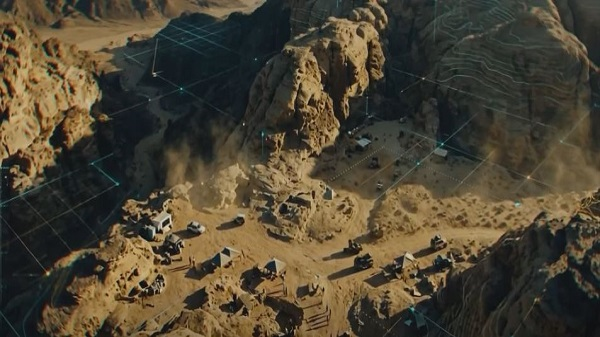
The Eastern Desert is the area identified by the military for the campaign. No more precise geographic details were provided in the statement, and officials did not say whether the operation would extend to other regions.
The military said the campaign was being carried out in accordance with directives from the Armed Forces’ General Command. Its stated objectives include securing the country’s borders and territory, protecting national resources and safeguarding the rights of future generations.
The statement framed the operation as part of a continuing effort requiring the participation of multiple government institutions. It emphasized coordination as a means of responding to security risks while limiting economic and environmental damage. The authorities did not outline which agencies took part in the first phase or explain how their responsibilities were divided.
No further operational details released
The figures announced provide a broad measure of the operation’s scale, but leave several questions unanswered. The military did not say whether the detained individuals were suspected of conducting the prospecting themselves, working at the sites, or being involved in other activities. It also did not specify whether all 4,488 tents were linked directly to gold extraction or whether any were used for other purposes.
No information was provided on charges, court proceedings or the status of those detained. The spokesperson’s remarks described the campaign as a response to illegal activity, but did not provide case-by-case findings or evidence against the people arrested.
The military also did not say whether further phases are planned, when they might begin or what targets they would address. It presented the first phase as a coordinated effort to stop unauthorized mining and protect natural resources, but offered no timetable for the campaign’s next steps.
The announcement therefore establishes the government’s stated priorities—resource protection, security and environmental preservation—along with the reported totals from the first phase. Further operational and legal details would be needed to clarify the circumstances of the arrests, the scale of the suspected mining activity and the campaign’s longer-term impact.
