

Ahmed Kamel – Egypt Daily News
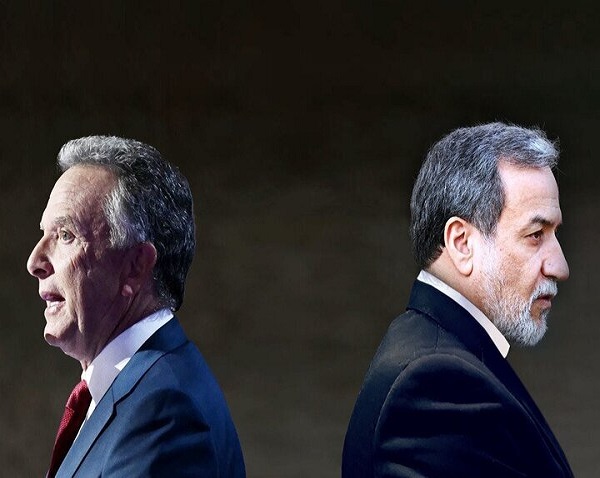
Iran has rejected participation in a second round of talks with the United States scheduled to take place in Islamabad this week, according to Iranian state media, in a development that further complicates already fragile diplomatic efforts to de-escalate tensions.
The decision, reported by Islamic Republic News Agency, represents a setback for ongoing attempts to extend a fragile ceasefire between the two countries, which is set to expire within days.
Tehran Cites “Unrealistic Demands”
According to the report, Iran justified its withdrawal by pointing to what it described as Washington’s “excessive demands,” shifting positions, and repeated contradictions in negotiations.
Tehran also cited the continued naval restrictions on Iranian maritime activity, which it considers a breach of the ceasefire agreement. Iranian officials framed these measures as part of a broader pattern of pressure that undermines trust in the negotiating process.
Other Iranian media outlets, including Fars News Agency and Tasnim News Agency, reported a more cautious position, suggesting that no final decision had been formally confirmed and that internal deliberations were still ongoing.
One source cited by Fars described the current atmosphere as “not very positive,” adding that lifting what Iran calls a US naval blockade on its ports would be a precondition for meaningful talks.
Contradicting Signals from Washington
The announcement directly contradicts recent statements from U.S. President Donald Trump, who said a new round of negotiations would take place in Pakistan.
Trump stated that a U.S. delegation would travel to Islamabad for discussions aimed at reviving diplomatic efforts.
A previous round of indirect talks had already taken place earlier this month, but failed to produce any breakthrough, leaving both sides locked in a cycle of accusations and competing narratives.
Rising Tensions and Military Warnings
Alongside the diplomatic breakdown, tensions between Washington and Tehran have escalated sharply.
Trump has recently issued warnings that the United States could target critical Iranian infrastructure, including energy facilities and transport links, if no agreement is reached. The remarks signal a hardening of rhetoric even as diplomatic channels remain technically open.
At the same time, Iran has accused the United States of maintaining naval pressure in strategic waters, particularly around the Strait of Hormuz, a vital global oil shipping route.
The United States, in turn, has accused Iran’s Revolutionary Guard of violating the ceasefire by engaging in hostile maritime activity, including reported incidents involving commercial vessels transiting the region.
Ceasefire Under Pressure
The current ceasefire agreement between the two sides is due to expire on Wednesday, raising concerns that the situation could rapidly escalate if no diplomatic progress is made.
Although the truce has largely held, recent developments including renewed accusations, maritime tensions, and political rhetoric, have placed it under growing strain.
Regional Diplomacy Efforts Continue
Despite the setback, regional diplomatic activity has continued in an effort to prevent further escalation.
Following the initial round of failed talks in Islamabad on April 11–12, Pakistan has attempted to maintain its role as a facilitator for dialogue between the two sides.
Meanwhile, regional leaders have been engaged in parallel diplomacy. Pakistani Prime Minister Shehbaz Sharif recently visited Saudi Arabia, Qatar, and Türkiye, while Pakistan’s Chief of Defence Staff Asim Munir held talks in Iran aimed at building consensus and reducing tensions.
A Fragile Diplomatic Window
With the ceasefire nearing its expiration and negotiations now in doubt, the diplomatic window between Washington and Tehran appears increasingly narrow.
Both sides continue to express openness to dialogue in principle, but remain deeply divided over core issues, including sanctions, naval activity, and regional security concerns.
For now, the breakdown of the planned Islamabad talks underscores how quickly the situation can shift from negotiation to deadlock, leaving the future of the ceasefire uncertain.
