

Ahmed Kamel – Egypt Daily News
Prime Minister Mostafa Madbouly said Egypt’s tax revenues increased by 29 percent without imposing new tax burdens on citizens or businesses, presenting the figures as evidence that recent economic reforms and tax administration measures are improving state revenues while supporting growth.
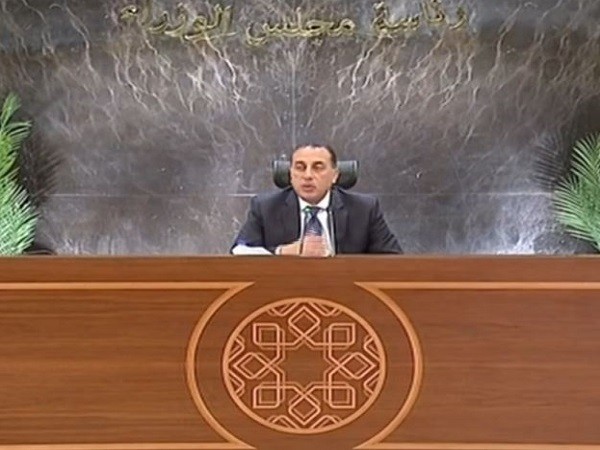
Speaking during a press conference at the government’s headquarters in the New Administrative Capital, Madbouly said the economy was continuing on a stable path despite regional tensions and global economic uncertainty.
The prime minister’s remarks come as parliament reviews the state’s budget for the 2026/27 fiscal year, which is expected to take effect at the start of the new financial year following legislative approval.
Revenue Growth Driven by Compliance
The 29 percent increase in tax revenues mirrors figures previously announced by Finance Minister Ahmed Kouchouk, who said tax collections rose to nearly EGP 1.85 trillion during the first nine months of the current fiscal year without introducing additional tax obligations. Government officials have attributed the increase to improved compliance, expanded digital systems, and efforts to broaden the tax base rather than raising tax rates.
The government has repeatedly argued that simplifying tax procedures and encouraging voluntary compliance are producing stronger results than imposing new taxes, with a second package of tax facilitation measures expected to be introduced in the coming period.
Health and Education Spending Set to Rise
Madbouly said the upcoming budget includes significant increases in social spending, with health allocations rising by 30 percent and education funding increasing by 20 percent compared with the current fiscal year.
The budget also earmarks EGP 47.5 billion for universal health insurance and state-funded medical treatment programs, reflecting the government’s continued focus on expanding healthcare coverage and improving public services.
The spending plans are broadly consistent with the priorities outlined in the government’s draft budget, which places health, education and social protection at the center of public expenditure plans for the coming fiscal year.
Industry and Export Support
The prime minister said the budget allocates EGP 90 billion to support industry, manufacturing and entrepreneurship initiatives, while EGP 48 billion has been designated for export rebate programs aimed at improving the competitiveness of Egyptian products in international markets.
The measures form part of a wider government strategy to boost production, attract investment and increase export revenues as Egypt seeks to strengthen foreign currency inflows and sustain economic growth.
Economic Indicators Improve
Madbouly also pointed to rising remittances from Egyptians working abroad as a sign of confidence in the country’s economic direction.
Recent government data has shown improvements in several fiscal indicators, including a growing primary surplus and a decline in the overall budget deficit as authorities continue implementing economic and financial reforms. Finance Ministry figures released this week showed Egypt achieved a primary surplus equivalent to 3.5 percent of gross domestic product during the first nine months of the fiscal year, while the overall deficit narrowed to 5.2 percent.
Regional Diplomacy and Pharmaceutical Production
Beyond economic issues, Madbouly said Egypt continues diplomatic efforts aimed at reducing tensions between the United States and Iran and reaffirmed Cairo’s support for Gulf states amid ongoing regional security concerns.
The prime minister also revealed that Egypt is moving toward becoming a producer of pharmaceutical raw materials, a step that could reduce dependence on imports and strengthen the country’s domestic drug manufacturing industry.
The comments reflect the government’s broader strategy of combining economic reform, industrial development and regional diplomacy as it prepares to launch a new fiscal year marked by higher social spending and continued efforts to attract investment.
