

Ahmed Kamel – Egypt Daily News
Unprecedented Threats Against a Longtime Regional Ally
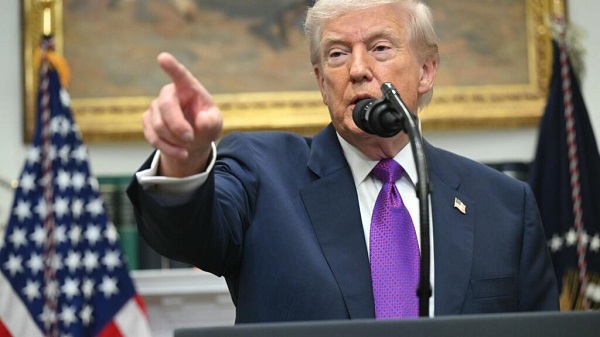
US President Donald Trump sparked international outrage Monday by threatening to bomb Oman if it interferes with American operations in the Strait of Hormuz. This marks the second time since May that the president has publicly directed aggressive rhetoric toward the strategic Gulf nation.
Muscat has historically served as a critical diplomatic backchannel between Washington and Tehran, making the sudden hostility highly unusual. International partners expressed deep concern over how this unpredictable approach might destabilize remaining regional alliances.
Expiration of the Versailles Diplomatic Window
The explosive remarks coincided with the official expiration of a 60-day diplomatic negotiation deadline established at the G7 summit in June. Hostilities had been temporarily paused under a memorandum of understanding to resolve disputes over sanctions and nuclear development.
Despite the deadline passing without a breakthrough, Trump asserted he is under no specific time constraints to finalize a deal. He publicly called on Tehran to raise a white flag of surrender while maintaining that his administration is not rushing the process.
The Strategic Battle for the Strait of Hormuz
The Strait of Hormuz remains nearly entirely closed to commercial shipping since the joint US-Israeli military campaign began in February. Positioned directly opposite Iran on the southern side of the channel, Oman has been actively negotiating over waterway control.
The threat to Oman follows a controversial policy speech where Trump declared intentions to annex the strait as a US territory. Approximately 20 percent of global seaborne petroleum products flow through this volatile maritime chokepoint daily.
Behind-the-Scenes Communication and Military Stockpiles
Trump confirmed that Washington has established a direct, covert communication backchannel with Iran’s Islamic Revolutionary Guard Corps. However, IRGC leadership quickly issued statements denying the existence of any such direct negotiation line.
The president also dismissed growing concerns from defense analysts regarding the rapid depletion of American ammunition stockpiles after six months of active combat. He described the expended ordnance as insignificant while blaming previous administrations for earlier transfers of advanced air defense systems abroad.
Expanding Regional Conflicts and Nuclear Red Lines
Compounding regional instability, Yemen’s Houthi rebels claimed a massive missile and drone strike against Saudi Arabian military vessels in the Red Sea. The targeted area sits dangerously close to the Bab-al Mandeb strait, another vital artery for international shipping.
Trump utilized social media to reiterate that his absolute negotiating priority remains preventing Tehran from acquiring a nuclear weapon. This firm stance undercuts specific economic advisers who argue that stabilizing global oil prices should take precedence.
