

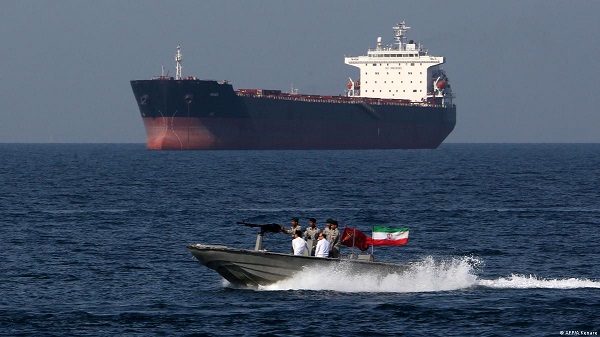
Egypt has contracted to import 9 million barrels of Russian crude oil as it works to secure supplies for its refineries amid disruption in global energy markets, according to an unnamed government official. Three million barrels arrived in September and October, while the remaining 6 million are expected to be delivered in stages before the end of the year.
The purchases mark a resumption of Russian crude imports after Egypt’s last shipment, before the new contracts, arrived in June. The official said the renewed buying is intended to help meet refinery demand as supply chains, tanker movements and oil production face disruption.
Alongside the crude contracts, Egypt agreed to purchase a Russian diesel shipment of 200,000 metric tons, estimated to cost about $110 million. The cargo had been expected to arrive in October, but its arrival date remained uncertain. The official said it could reach Egypt within a week or be delayed, reflecting the unsettled conditions affecting energy transport.
The deals add to Egypt’s efforts to diversify its sources of crude and petroleum products. The country relies on imports to supplement domestic production and ensure refineries can provide fuel for the local market. Disruptions in global supply, changing shipping routes and uncertainty over deliveries can complicate procurement and increase pressure on government finances.
Libya has also been a significant source of crude. Egypt imported about 2 million barrels from Libya in October, bringing the total received in September and October to approximately 5 million barrels, the official said. The Russian and Libyan supplies are part of a broader effort to secure enough crude for domestic processing.
Egyptian refineries require an estimated 4 million to 5 million barrels of crude each month to operate and supply petroleum products to the domestic market. Maintaining that flow is important for fuel availability, particularly as the country faces rising import costs and challenges in financing energy purchases.
The pressure extends beyond immediate imports to the government’s plans for strategic reserves. President Abdel Fattah El-Sisi said in October that Egypt had built petroleum storage facilities with a combined capacity of 33 million barrels, but the country had not yet filled them. He said filling the facilities would require around $2.5 billion.
The government has directed available funds toward paying overdue debts to foreign oil and gas companies operating in Egypt, Sisi said. Cairo has argued that settling those arrears can encourage companies to invest in developing fields and wells and increase domestic production. That approach reflects a difficult balance: securing near-term fuel supplies while also directing money toward longer-term production capacity.
Egypt’s petroleum trade deficit has widened as imports have grown. The deficit increased by 31.5% in the 2025–26 fiscal year, which ended in June, reaching about $18.3 billion, compared with $13.9 billion in the preceding fiscal year, according to central bank data cited in the report.
Petroleum imports totaled approximately $24.9 billion, up 27.6%. The increase was driven in part by higher imports of natural gas, which rose by about $4.7 billion, and crude oil, which rose by around $1.9 billion. The rises reflected increased imported volumes of both commodities.
The figures highlight the competing demands on Egypt’s energy strategy. Imports are needed to keep refineries supplied and meet local fuel needs, but higher purchases add to the country’s trade deficit and financing requirements. At the same time, strategic reserves would provide a buffer against supply disruptions but require substantial upfront spending.
The Russian crude and diesel contracts, together with the Libyan deliveries, may help ease immediate supply concerns. However, the timing of shipments remains uncertain, and the broader challenge of financing energy imports and filling reserve capacity remains unresolved. Egypt’s ability to expand domestic production, manage import costs and maintain reliable deliveries will shape how effectively it can protect its energy supply against further market disruption.
