

Ahmed Kamel – Egypt Daily News
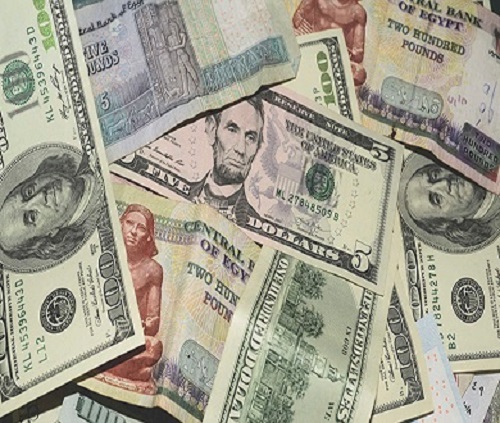
The Egyptian pound weakened further on Tuesday, March 31, 2026, as the US dollar climbed close to the 55-pound threshold in local banking transactions, marking one of its highest levels since the outbreak of tensions between the United States and Iran.
According to the latest updates from the Central Bank of Egypt, the dollar was trading at 53.53 pounds for purchase and 53.66 pounds for sale. However, rates across major commercial banks moved higher, reflecting continued pressure on the local currency.
At the National Bank of Egypt, the dollar reached 54.56 pounds for buying and 54.66 pounds for selling. Similar levels were recorded at Banque Misr, where the currency traded at 54.65 for purchase and 54.74 for sale.
The upward trend extended to the Commercial International Bank, which listed the dollar at 54.55 pounds for buying and 54.65 pounds for selling, while Bank of Alexandria posted some of the highest rates in the market at 54.75 and 54.85 pounds respectively.
The recent surge in the dollar comes against the backdrop of heightened geopolitical tensions in the Gulf, which have contributed to volatility in global energy markets and increased demand for hard currency in emerging economies.
Despite the depreciation of the pound, Egypt’s external financial indicators continue to show resilience. The Central Bank reported that net foreign reserves rose to a historic high of $52.75 billion by the end of February 2026, up from $51.45 billion in December 2025. The increase reflects improved foreign currency inflows, including remittances and foreign direct investment.
Remittances from Egyptians working abroad have been a key pillar of support. Transfers surged by 28.4 percent during the period from July to January in the 2025–2026 fiscal year, reaching approximately $25.6 billion compared to around $20 billion during the same period a year earlier.
On a monthly basis, remittances rose by 21 percent in January 2026 alone, totaling about $3.5 billion, up from $2.9 billion in January 2025, according to central bank data.
Analysts say the contrast between a weakening currency and rising reserves highlights the complex dynamics facing Egypt’s economy, where strong inflows are being offset by external pressures, rising import costs, and global uncertainty.
