

Ahmed Kamel – Egypt Daily News
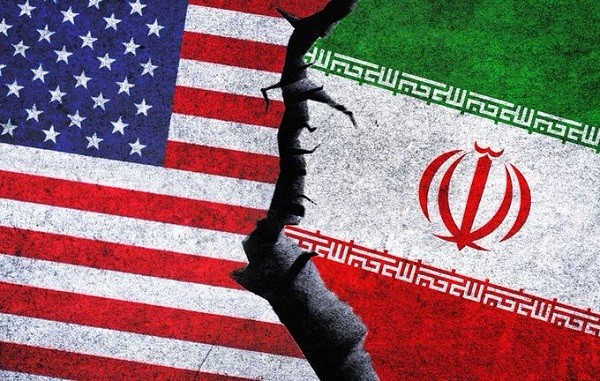
U.S. President Donald Trump said Monday that a Tuesday night deadline for Iran to reach a deal is final and unlikely to be extended, raising the stakes in a rapidly escalating conflict that has already drawn in multiple regional actors and pushed diplomacy to the brink.
Speaking at a children’s Easter event on the White House South Lawn, Trump described Iran’s latest proposal as a meaningful step but ultimately insufficient. He made clear that failure to meet his terms would trigger sweeping U.S. military action targeting Iranian infrastructure.
“They made a proposal, and it’s a significant proposal. It’s a significant step. It’s not good enough,” Trump told reporters, signaling that negotiations conducted indirectly through intermediaries, remain far from a breakthrough.
The warning comes as Iran has already rejected a ceasefire framework, insisting instead on a permanent end to the war with guarantees against future attacks. Iranian officials have conveyed their position through Pakistan, which has emerged as a key diplomatic channel between Tehran and Washington.
Trump’s threat to strike Iranian infrastructure, including power facilities, has drawn criticism from legal experts and international observers who warn such actions could constitute violations of the laws of war. The president dismissed those concerns outright.
“I’m not worried about it. You know what’s a war crime? Having a nuclear weapon,” he said.
The five-week conflict, which has seen coordinated U.S. and Israeli strikes on Iranian targets and retaliatory missile attacks by Tehran, has steadily expanded in scope. Energy infrastructure, military leadership, and strategic sites across the region have all come under fire, raising fears of a broader regional war.
Trump maintained that a resolution could still be reached quickly if Iran agrees to Washington’s demands, which include abandoning any pursuit of nuclear weapons and reopening the Strait of Hormuz, a critical artery for global oil shipments.
“They have to do certain things. They know that,” Trump said. “They’ve been negotiating, I think, in good faith.”
Despite previously extending an earlier deadline, Trump indicated there would be no further reprieve. He noted that Iran had requested additional time during negotiations and was granted more than initially asked for.
“They’ve had plenty of time. In fact, they asked for seven days. I said, I’m going to give you 10. But at the end of 10, all hell’s going to break out if you don’t get there,” he said.
Behind the scenes, Trump’s senior advisers have continued indirect talks with Iranian representatives, seeking a framework that would halt hostilities while addressing Washington’s core demands. However, Tehran’s insistence on a permanent settlement rather than a temporary truce remains a major sticking point.
Trump also suggested that recent changes within Iran’s negotiating team could influence the trajectory of talks, describing the current representatives as more pragmatic than previous figures who were killed in recent airstrikes.
“We think they’re actually smarter,” he said.
In a controversial aside, Trump added that while he personally favored the idea of the United States taking control of Iran’s oil resources, he acknowledged such a move would likely face resistance at home.
As the deadline approaches, the combination of hardening positions, ongoing military operations, and narrowing diplomatic space has left the situation increasingly volatile. With both sides signaling readiness to escalate, the coming hours may prove decisive in determining whether the conflict deepens or a last-minute agreement can still be reached.
