

Ahmed Kamel – Egypt Daily News
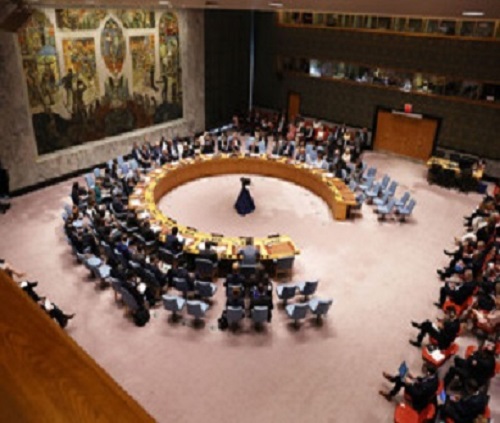
Russia and China have blocked a United Nations Security Council resolution aimed at reopening the Strait of Hormuz, escalating global concern over energy security and international trade. The draft, submitted by Bahrain and backed by the United States, fell short after receiving 11 votes in favor, with Russia and China voting against and two countries abstaining.
The measure was originally designed to authorize Gulf states to take action to protect the crucial shipping lane, which Iran has effectively closed since the outbreak of hostilities with the United States and Israel on February 28. The strait carries around 20 percent of the world’s seaborne oil, making its closure a significant disruption to global energy markets.
Bahrain’s Foreign Minister Abdullatif bin Rashid Al Zayani criticized the veto, warning that the failure of the resolution “sends the wrong message to the world” and may encourage future threats to international waterways without meaningful international response.
The final version of the resolution, however, was watered down from its original draft. Any mention of authorizing force, even defensively, was removed, leaving language that merely “encourages states to coordinate defensive efforts to ensure the safety of navigation,” while demanding that Iran immediately halt attacks on commercial vessels and energy infrastructure.
The vote comes at a critical moment, hours before U.S. President Donald Trump’s warning to Iran expires, demanding the reopening of the strait. Trump has repeatedly threatened strikes on Iranian infrastructure, including bridges and power plants, should Tehran fail to comply. U.S. officials maintain that they reserve the right to act in self-defense and to protect allies, despite the Security Council setback.
UN mandates permitting the use of force are rare. Similar approvals were granted during the 1990 Gulf War, when a coalition intervened after Iraq invaded Kuwait, and in 2011, when NATO received authorization to act in Libya, a move later criticized by Russia.
The veto highlights deep divisions among Security Council members and underscores the limitations of diplomacy in resolving the crisis. With global oil markets already destabilized and regional tensions escalating, the Strait of Hormuz remains a flashpoint with potentially far-reaching consequences for international trade and security.
