

Ahmed Kamel – Egypt Daily News
Egypt has moved to the forefront of diplomatic efforts surrounding the recently announced ceasefire between the United States and Iran, presenting itself as a key mediator in securing the temporary halt in hostilities and shaping the path toward broader negotiations.
The truce, announced by Donald Trump, introduces a two-week suspension of military operations and is widely seen as a fragile but significant opening to contain a conflict that has threatened to spill across the Middle East. While multiple international actors have contributed to de-escalation efforts, Egyptian officials and diplomatic sources indicate that Cairo played a central role in bridging gaps between Washington and Tehran.
In a statement released Wednesday, the Egyptian Ministry of Foreign Affairs described the ceasefire as a “positive and important step,” but also underscored that it did not emerge in isolation. Instead, it was the result of intensive diplomatic engagement led in part by Egypt in coordination with regional and international partners.
According to officials, Egypt’s efforts focused on maintaining open channels with all parties at a time when direct communication between the United States and Iran remained limited and highly sensitive. Working alongside countries such as Pakistan and Turkey, Cairo helped facilitate indirect exchanges that ultimately contributed to the conditions necessary for a temporary ceasefire.
The agreement, reached shortly before a US deadline for potential renewed military action, includes Iranian steps to reopen the strategically critical Strait of Hormuz, a move aimed at restoring confidence in global energy markets and ensuring the continuity of maritime trade. Egyptian officials have stressed that safeguarding freedom of navigation was a core objective of their diplomatic push.
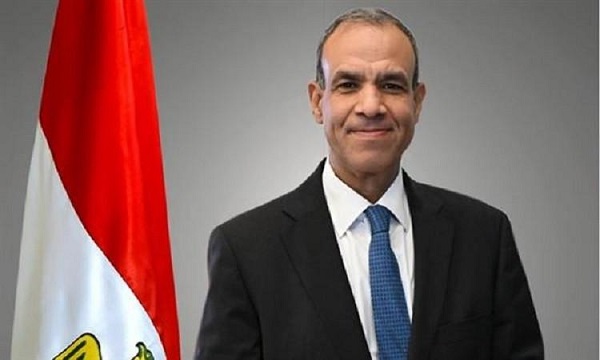
Behind the scenes, Egypt’s foreign policy apparatus played an active and sustained role. During a call with US Special Envoy Steve Witkoff, Foreign Minister Badr Abdelatty conveyed Cairo’s strong backing for the ceasefire initiative, describing it as the result of coordinated diplomatic pressure and engagement. Abdelatty emphasized that Egypt’s priority had been to “give diplomacy a real chance” and prevent a broader regional escalation.
Witkoff, for his part, acknowledged Egypt’s contribution, praising what he described as Cairo’s “sincere and effective efforts” in helping to bring both sides closer to a temporary understanding. Diplomatic reporting, including accounts cited by Axios, has similarly identified Egypt as a key partner in the negotiations that led to the ceasefire.
Egypt’s outreach was not limited to Washington. Abdelatty also held consultations with his Pakistani counterpart Ishaq Dar, as well as other regional officials, in an effort to coordinate messaging and build a unified diplomatic front aimed at halting the conflict. These parallel tracks helped reinforce pressure on both sides to accept a temporary pause.
Cairo has used its role in securing the ceasefire to push for a broader diplomatic framework that goes beyond immediate de-escalation. The foreign ministry stressed that any future agreement must incorporate the security concerns of the Gulf Cooperation Council states and Jordan, arguing that lasting stability cannot be achieved without addressing the fears of countries directly exposed to the conflict.
Egyptian officials have also pointed to the interconnected nature of regional security, warning that recent retaliatory actions particularly Iranian strikes targeting US-linked assets in Gulf countries, highlight the risks of escalation if diplomatic momentum is not sustained.
By positioning itself as both a mediator and a stakeholder, Egypt is seeking to reassert its traditional role as a central diplomatic actor in Middle Eastern crises. Analysts note that Cairo’s ability to maintain working relations with a wide range of actors, including the United States, Iran’s regional interlocutors, and Gulf states, has enabled it to operate as a crucial intermediary at a moment of heightened tension.
As the two-week ceasefire unfolds, attention is now turning to whether Egypt and its partners can translate this temporary pause into a structured negotiation process. For Cairo, the goal is clear: to leverage its diplomatic influence not only to prevent a return to conflict, but to shape a more comprehensive regional security arrangement that reflects the interests of all parties involved.
