

Ahmed Kamel – Egypt Daily News
The fragile ceasefire that halted months of direct warfare between Israel and Iran came under renewed strain on Monday after both sides exchanged missile and air strikes in their first major confrontation since the truce brokered with U.S. involvement earlier this year.
The escalation has reignited fears that the Middle East could slide back into a broader regional conflict, just weeks after diplomats had hoped the violence was beginning to ease. While Iranian military officials later announced a halt to offensive operations, the exchange of attacks underscored how quickly the situation can deteriorate amid mounting tensions across several fronts.
The conflict, which erupted into open warfare in late February, has already reshaped economic and security calculations far beyond the region. Energy markets remain vulnerable, shipping routes face continued disruption, and diplomatic efforts to secure a permanent settlement have produced little tangible progress.
Ceasefire Under Pressure
Although active fighting largely subsided following the April ceasefire, the underlying disputes that fueled the war never disappeared. Iran has continued exerting pressure around the Strait of Hormuz, one of the world’s most strategically important maritime chokepoints, while Israel has maintained military operations against Iranian-backed groups operating in neighboring countries.
Monday’s violence highlighted how multiple flashpoints remain interconnected. Alongside the Israeli-Iranian exchange, Yemen’s Houthi movement announced new attacks against Israel and renewed threats against vessels linked to Israeli interests in the Red Sea, raising concerns over the security of one of the world’s busiest shipping corridors.
The renewed hostilities prompted an immediate reaction from Washington. U.S. President Donald Trump publicly urged both sides to halt military operations, writing that Israel and Iran must stop “shooting” before the situation spirals further out of control.
Hours later, Iran’s military command signaled a willingness to suspend offensive action but warned that any additional attacks by Israel or its allies would trigger a far stronger response.
Diplomatic Race to Prevent Wider War
Regional governments have launched urgent efforts to keep the ceasefire from collapsing completely.
According to regional officials familiar with the discussions, Egypt, Saudi Arabia, Turkey, Pakistan and Qatar have intensified contacts with both Washington and Tehran in an attempt to reduce tensions. The countries are reportedly urging Israel to avoid further strikes while simultaneously pressing Iran to refrain from retaliatory attacks.
The diplomatic activity reflects growing concern that another prolonged confrontation could engulf neighboring countries and further destabilize an already volatile region.
Despite ongoing mediation, public signs of progress remain limited, and no framework for a lasting peace agreement has emerged.
Missiles, Airstrikes and New Accusations
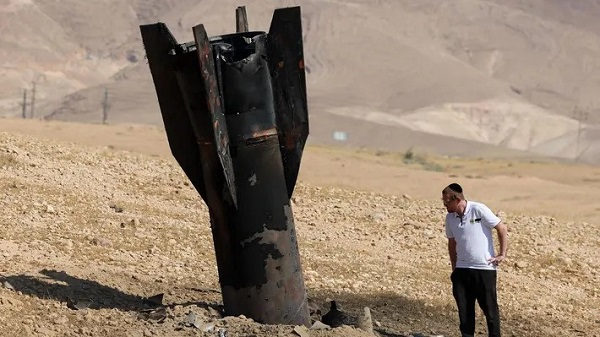
The latest confrontation began after Iran launched missile attacks toward Israel. Israeli forces responded with strikes targeting locations in central and western Iran, marking the first direct exchange between the two countries since the ceasefire took effect.
Explosions were reported in Tehran and other Iranian cities, while authorities temporarily restricted air traffic around the capital. Iranian media reported strikes near industrial facilities, including a petrochemical complex in Mahshahr.
Israel said its military operations targeted infrastructure connected to ballistic missile production as well as mobile missile launch systems. Iranian officials, meanwhile, accused Israel of deliberately escalating the conflict and blamed the United States for supporting Israeli actions.
Tehran argued that such military operations could not occur without American knowledge or coordination, an accusation that Washington had not publicly addressed.
In Israel, air defense systems were activated as incoming missiles triggered warning sirens across parts of the country. Iranian military officials claimed they had targeted military installations during the attack.
Growing Friction Between Trump and Netanyahu
The latest crisis also comes amid increasing signs of political tension between President Trump and Israeli Prime Minister Benjamin Netanyahu.
The two leaders entered the conflict earlier this year presenting a united front and emphasizing close military coordination. However, differences have become more visible in recent weeks as Washington seeks to prevent a renewed regional war while Israel continues military operations against Iranian-aligned forces.
Trump faces growing domestic pressure over the economic consequences of the conflict, particularly rising energy costs and inflation concerns ahead of congressional elections. Netanyahu, meanwhile, is confronting political challenges at home and demands from parts of the Israeli public for a tougher security response to ongoing threats from Hezbollah and other Iranian-backed groups.
The diverging priorities have fueled speculation that Washington and Jerusalem may no longer be fully aligned on how aggressively to pursue military objectives.
Red Sea Shipping Faces Renewed Threat
Adding another layer of uncertainty, Yemen’s Houthi movement announced it had carried out attacks against Israel and would once again target ships linked to Israeli interests in the Red Sea.
The group previously conducted a prolonged campaign against commercial shipping during the Gaza conflict, disrupting maritime trade and forcing many vessels to reroute around Africa instead of using the shorter Red Sea passage.
Security analysts warn that a return to sustained Houthi attacks could place renewed pressure on global supply chains at a time when energy markets remain highly sensitive to developments in the region.
Civilians Prepare for an Uncertain Future
As political leaders exchange warnings and diplomats scramble to prevent further escalation, civilians on both sides are preparing for the possibility of a longer conflict.
In Iran, some residents expressed support for continued resistance despite concerns about the economic and human costs of war. In Israel, schools remained closed in many areas as authorities monitored the security situation, although businesses continued operating in several major cities.
The renewed exchange of fire has demonstrated that the ceasefire remains fragile and that the broader regional confrontation involving Iran, Israel and their allies remains far from resolved. With multiple armed groups active across the Middle East and diplomatic efforts struggling to gain traction, fears are growing that the region could once again be pushed toward a wider and more destructive conflict.
