

Ahmed Kamel = Egypt Daily News
The Kremlin dismissed a European counter-proposal to a recent United States peace initiative for Ukraine, saying the alternate plan fails to meet Russia’s core security and political requirements. The criticism underscores widening divisions among Western allies over how to approach potential negotiations more than two and a half years into the war.
Last week’s leak of a 28-point draft US proposal intensified anxiety in Kyiv and several European capitals. European officials fear Washington may be edging toward a compromise that implicitly accepts some of Moscow’s long-standing demands, particularly on NATO’s future posture and the status of occupied territories. According to a version of the European counter-proposal reviewed by Reuters, EU governments sought to substantially revise the language concerning territorial arrangements and NATO’s relationship with Ukraine, in an attempt to avoid what they see as concessions that could weaken Ukraine’s sovereignty.
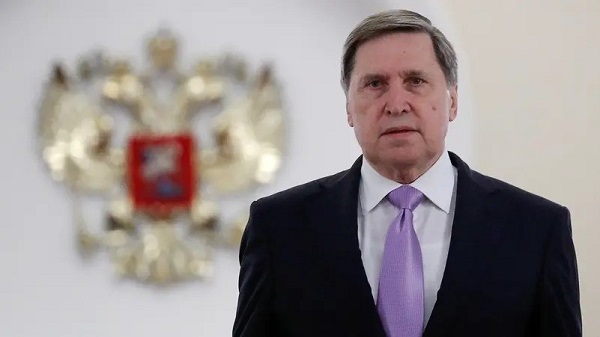
Moscow, however, rejected the European amendments outright. Kremlin foreign policy adviser Yuri Ushakov told reporters in Moscow that the European version was “completely unconstructive” and “does not work for us,” signalling that the Kremlin believes the changes dilute what it considers meaningful progress introduced in the US draft.
In contrast, Ushakov offered a notably more measured assessment of the American initiative. While emphasizing that Moscow does not accept the plan in full, he said “not all, but many provisions” appear “quite acceptable,” though he stressed that several points would require detailed negotiation. His comments suggested that Russia may see the US proposal as a potential framework for talks, even if significant gaps remain.
Russian President Vladimir Putin reinforced that message on Friday, stating that the US plan could serve as a basis for resolving the conflict if Kyiv were willing to engage. He warned that if Ukraine rejected the initiative, Russian forces would push further on the battlefield, reiterating a long-standing tactic of pairing diplomatic statements with military pressure.
The United States has not publicly commented on the leaked document, and Ukraine has insisted it will not accept any agreement that compromises its territorial integrity or its future security relationships. European governments, meanwhile, are attempting to maintain a united front while also signalling to both Washington and Moscow that any durable settlement must reflect Ukraine’s interests and European security considerations.
As the conflict grinds on with no decisive military breakthrough, competing diplomatic drafts highlight growing urgency among global actors to define what an eventual peace might look like and how much each side would ultimately be willing to concede. Whether these early outlines evolve into serious negotiations remains uncertain, but Russia’s starkly different response to the US and European versions suggests that even among potential mediators, the path to a unified approach is far from settled.
