

Ahmed Kamel – Egypt Daily News
Egypt’s Ministry of Interior has begun implementing a new traffic licensing system designed to simplify the process of issuing and renewing driving and vehicle licenses while reducing the financial burden on citizens.
The new system introduces a single-window model at traffic units across the country. Under the arrangement, applicants are expected to complete their financial transactions at one counter and make one electronic payment based on the official fees displayed inside each traffic department. After payment, the remaining administrative and inspection procedures should be completed without requiring applicants to make additional payments.
The ministry said citizens will not be required to pay any extra amounts during the licensing process under any name or category. The only exception will be traffic fines issued by the Traffic Prosecution, which remain separate from the standard licensing fees.
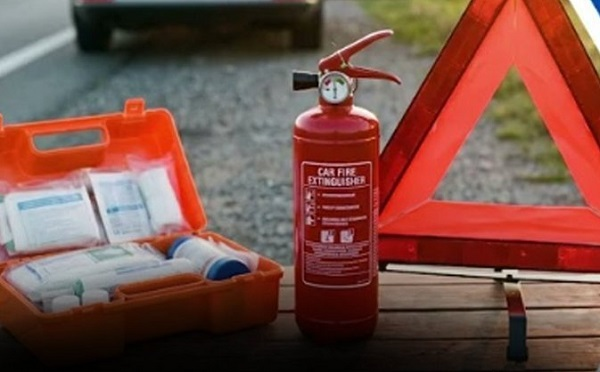
The new procedures also remove the requirement to provide certain emergency and safety items when applying for or renewing licenses. Applicants will no longer be required to submit a fire extinguisher, first-aid kit or reflective warning triangle as part of the licensing process.
The changes are expected to reduce the overall cost of obtaining and renewing licenses. Private driving license services will reportedly become cheaper by up to 500 Egyptian pounds, while vehicle licensing costs are expected to fall by between 400 and 600 pounds, depending on the type of vehicle and the service required.
The new fee structure also affects motorcycles and light motorized bicycles. Licensing a light motorized bicycle will cost 500 pounds instead of 700, while the cost of licensing a light motorcycle will be reduced to 500 pounds from 750. The final amount payable will depend on the specific license category and any legally applicable charges.
The reforms follow directives from President Abdel Fattah el-Sisi calling for easier government services, lower costs and reduced waiting times for citizens. Interior Minister Mahmoud Tawfik presented a plan to restructure the traffic licensing system during a meeting involving the government, governors and senior officials. The plan focused on reducing administrative complexity and improving the way traffic services are delivered.
According to the ministry’s plan, the single-window system is intended to eliminate the need for applicants to move between multiple counters and offices. Once a citizen submits a complete application, officials will review the documents and conduct the required checks. If the application is approved, the applicant should be able to receive the driving or vehicle license through the same service point.
The system is also expected to rely on barcodes and electronic payment tools to organize applications and reduce congestion. Traffic departments will provide designated waiting areas, while the use of electronic records should help officials follow each application through the different stages of the process.
Former Assistant Interior Minister for Specialized Police Medhat Qoreitem described the changes as an important development in the delivery of public services. He said the reforms would help reduce the cost of licensing and make procedures more consistent with the government’s broader modernization efforts. He also pointed to the expansion of licensing services through mobile units and facilities located in shopping malls.
Former Assistant Interior Minister for Traffic Ayman al-Dabaa said the new system should save citizens both time and effort. He explained that applicants would be expected to arrive with complete documentation, submit their papers at the designated counter and wait while officials reviewed their files. Once the documents were verified, the license could be issued without the applicant having to visit several offices or deal with multiple employees.
The reforms are part of a wider move toward digital and centralized public services in Egypt. Other recent measures have included online tools for verifying identities, checking traffic violations and paying fines electronically. These initiatives are intended to reduce reliance on paper-based procedures and make government services more accessible.
The ministry’s decision to remove the safety equipment requirement is likely to have an immediate effect on the cost of vehicle licensing. In previous years, applicants were often required to purchase a package containing a fire extinguisher, a first-aid kit and a reflective warning triangle before completing licensing procedures. Although such equipment can be useful in emergencies, removing it from the licensing process means citizens will no longer need to purchase the items as a condition for obtaining or renewing their documents.
Officials have stressed that the changes are aimed at easing procedures rather than reducing road safety standards. Drivers remain responsible for complying with traffic regulations and maintaining their vehicles in safe operating condition.
The success of the new system will depend on how consistently it is applied across traffic departments and how effectively the electronic payment and document-review procedures operate. If implemented as planned, the single-window model could reduce queues, limit unnecessary transactions and provide citizens with a clearer explanation of the costs associated with each service.
For applicants, the main practical change is that they should expect to complete the financial part of the process once, at one designated counter, using the official fees displayed by the traffic department. They should also no longer be asked to pay additional charges beyond those officially listed, except for fines issued through the Traffic Prosecution.
