

Ahmed Kamel – Egypt Daily News
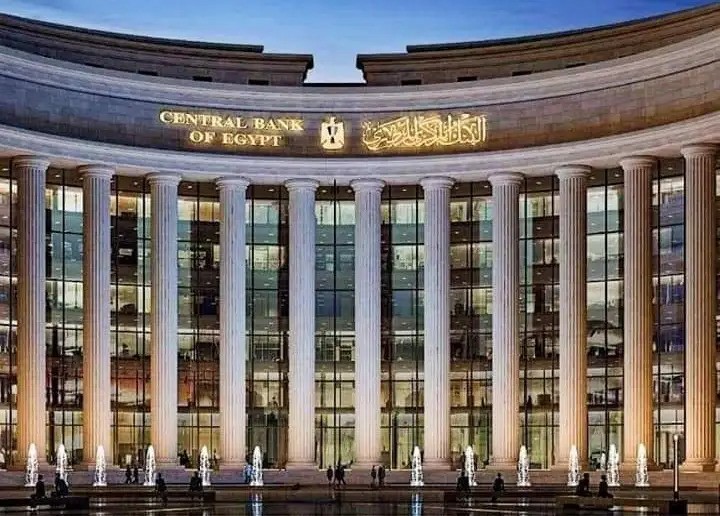
Egypt’s external debt climbed to 161.23 billion dollars by the end of June 2025, according to data released on Tuesday by the Central Bank of Egypt (CBE). The figure marks an increase of 4.54 billion dollars from the 156.69 billion dollars recorded at the end of March 2025, underscoring the continued pressure on the country’s external balance amid global and domestic economic challenges.
The central bank’s report showed that long-term external debt accounted for the bulk of the total, standing at 130.32 billion dollars, while short-term liabilities reached 30.91 billion dollars.
Breaking down the figures, the government’s outstanding external debt amounted to 81.99 billion dollars in June, a marginal decrease from 82.04 billion dollars in March. Meanwhile, the central bank’s own obligations rose notably to 37.34 billion dollars, up from 34.03 billion dollars, and the banking sector’s foreign liabilities increased to 22.24 billion dollars from 20.89 billion dollars in the same period.
Since the start of 2025, Egypt’s external debt has grown by nearly 6 billion dollars, up from 155.1 billion dollars in December 2024 and 152.9 billion dollars in June 2024. The data highlights the country’s persistent dependence on external financing amid ongoing fiscal reforms and efforts to stabilize the currency.
Earlier central bank data indicated that Egypt’s external debt is largely composed of long-term borrowings approximately 126.9 billion dollars with the remainder, around 26 billion dollars, categorized as short-term debt.
Financial Support and Investment Flows
Egypt’s financial position received a significant boost earlier in 2025 following the signing of a landmark investment deal with the United Arab Emirates. The agreement, finalized in late February, involves the development of the Ras El Hekma coastal city project on the Mediterranean and is valued at 35 billion dollars. The deal included converting 11 billion dollars in Emirati deposits held at the Central Bank of Egypt into direct investments in the project, effectively reducing part of Egypt’s external debt obligations.
In addition, Egypt secured an 8 billion dollar support package from the International Monetary Fund (IMF) as part of an extended arrangement aimed at strengthening macroeconomic stability. Under the terms of the program, Cairo pledged to maintain a flexible exchange rate policy and continue implementing structural reforms to improve fiscal discipline and attract foreign investment.
The IMF has already disbursed two tranches of 820 million dollars each in March and August 2025. The remaining disbursements are scheduled to be released in semi-annual installments through September 2026, contingent on Egypt meeting its reform benchmarks.
Outlook
While the latest figures show a gradual rise in external debt, analysts note that Egypt’s financing outlook has improved compared to previous years, supported by renewed foreign inflows, a more flexible currency regime, and higher investment commitments. Still, the country faces the ongoing challenge of balancing its external obligations with the need to sustain economic growth and reduce inflationary pressures.
Economists stress that continued adherence to fiscal discipline and structural reform will be essential for Egypt to maintain debt sustainability and restore investor confidence in the years ahead.
