

Ahmed Kamel – Egypt Daily News
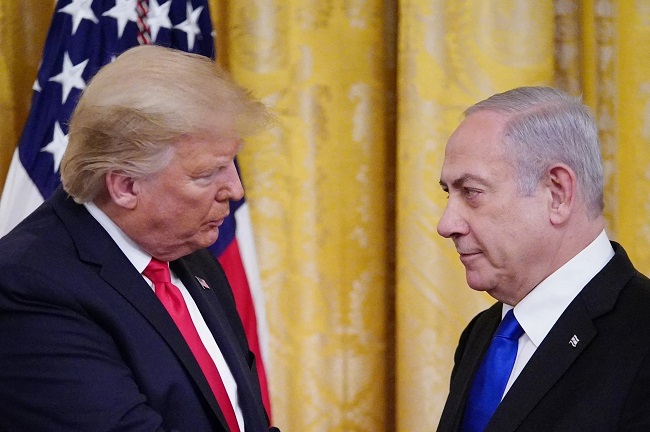
In a sharp escalation of Israel’s military strategy in Gaza, multiple Israeli media outlets have reported that Prime Minister Benjamin Netanyahu has approved a plan to fully occupy the coastal enclave. The decision, which includes operations in areas where Israeli hostages are believed to be held, follows what is being described as a green light from former U.S. President Donald Trump to intensify the offensive against Hamas.
According to Yedioth Ahronoth, Netanyahu received Trump’s explicit backing for expanded military action in Gaza. The newspaper suggests that this new strategy could include ground operations in locations previously considered too sensitive due to the presence of Israeli captives. Meanwhile, The Jerusalem Post confirmed on August 4 that Netanyahu has signed off on a plan for the complete occupation of Gaza, citing sources within the Israeli security establishment.
The revelations come as ceasefire negotiations mediated by Qatar have stalled without significant progress. Talks aimed at facilitating a hostage exchange and achieving a ceasefire have failed to yield tangible outcomes, prompting Israeli leadership to shift back toward military escalation.
Mounting Pressure on the IDF and Political Rift Within the Government
Tensions appear to be rising within the Israeli defense establishment. According to The Jerusalem Post, Netanyahu’s office delivered a direct and uncompromising message to IDF Chief of Staff Lt. Gen. Herzi Halevi’s successor, General Eyal Zamir: “If this decision does not suit you, resign.” This blunt directive has stirred speculation about internal dissent, with Israeli Public Broadcasting Corporation reporting that Zamir may consider stepping down if the plan proceeds.
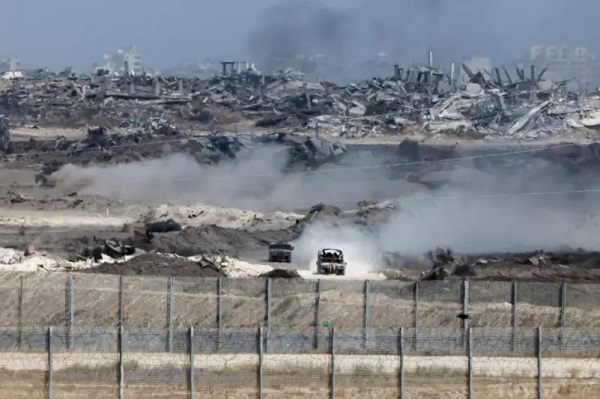
Adding to the turmoil, Channel 14 cited high-level sources close to Netanyahu who confirmed that the decision has effectively been finalized. Yet the same outlet highlighted sharp divisions within the government, noting that the Israeli Security Cabinet the body legally responsible for authorizing such far-reaching military actions has not formally approved the move, underscoring a potential legal and constitutional standoff.
Sources inside the Prime Minister’s Office suggested to Yedioth Ahronoth that the full-occupation rhetoric might also serve as a bargaining chip in the ongoing albeit faltering negotiations, indicating that the public endorsement of military action may still leave room for diplomatic maneuvering.
Netanyahu’s Strategic Objectives Amid Political Pressure
In a statement issued earlier in the day, Netanyahu confirmed plans to convene a special cabinet meeting later this week to make final decisions regarding the war’s trajectory. “I will instruct the army to achieve our three central goals: defeat the enemy, secure the release of hostages, and ensure that Gaza no longer poses a security threat to Israel,” he said during his weekly cabinet session.
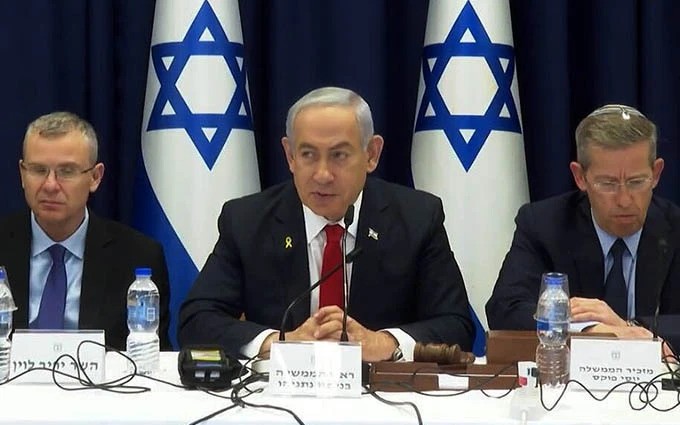
The Prime Minister’s increasingly aggressive posture comes at a time of deepening political and public pressure. Netanyahu faces criticism over the failure to secure the release of hostages, deteriorating humanitarian conditions in Gaza, and plummeting approval ratings, with recent polls showing a significant drop in support for his ruling coalition.
Calls to End the War from Within Israel’s Security Elite
In an unprecedented move, a coalition of former top Israeli security officials including ex-chiefs of the Mossad, Shin Bet, military intelligence, police, and the diplomatic corps has publicly called for an end to what they described as “Israel’s longest war.”
In a video message broadcast by several Israeli outlets, the group urged the government to halt military operations and pursue diplomatic alternatives. The officials, representing the organization Commanders for Israel’s Security, said they had sent a letter to Donald Trump signed by 550 retired figures from Israel’s defense and intelligence community. The message: “Stop the Gaza war! You helped end the conflict in Lebanon it’s time to do the same in Gaza.”
Catastrophic Humanitarian Situation in Gaza
While military and political maneuvers dominate headlines, the humanitarian crisis in Gaza continues to worsen. According to the Gaza Health Ministry, the Israeli military campaign has claimed at least 60,933 lives the vast majority of them civilians. The UN has described these figures as credible and deeply concerning.
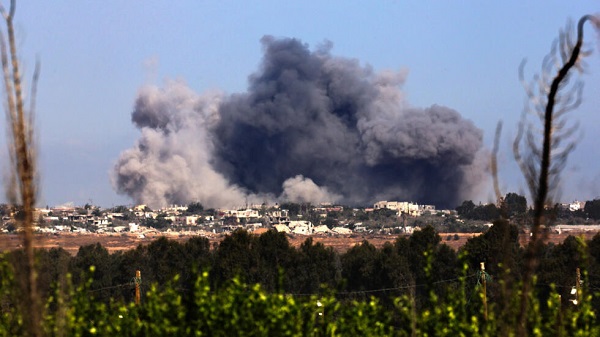
Starvation and severe malnutrition are rapidly spreading. Hospitals report an increasing number of deaths caused by hunger, and food insecurity has reached catastrophic levels. Since late May, Israeli forces have reportedly killed over 1,500 Palestinians near aid distribution centers, according to figures from the Gaza Health Ministry and corroborated by UN agencies.
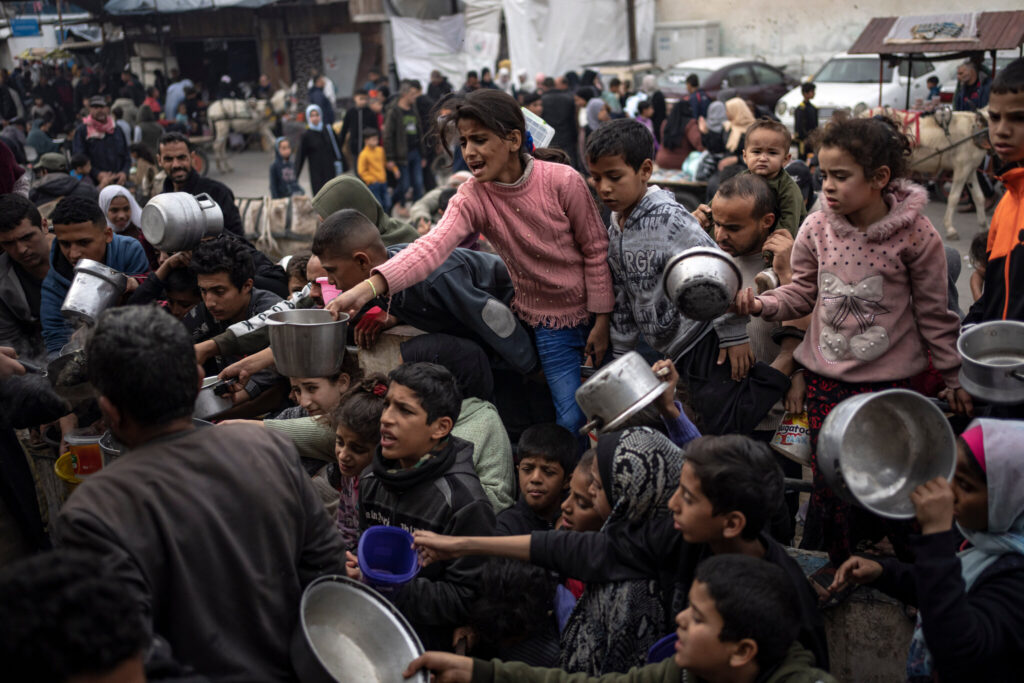
Long lines form daily around the few remaining food aid points, many operated by the Israel- and U.S.-backed Gaza Humanitarian Foundation. The organization, however, faces skepticism from international relief agencies, which question both its methodology and its motives. Civil defense sources in Gaza report dozens of casualties each day around these distribution zones, painting a grim picture of the humanitarian cost of continued conflict.
An Uncertain Path Forward
With hostilities showing no sign of abating, the fate of Gaza and the broader region hangs in the balance. Netanyahu’s apparent readiness to commit to a full-scale occupation risks further destabilization, while the growing chorus of internal dissent suggests that Israel’s political and military leadership may be increasingly divided on how to end the war. For now, both peace and resolution remain elusive.
