

Ahmed Kamel – Egypt Daily News
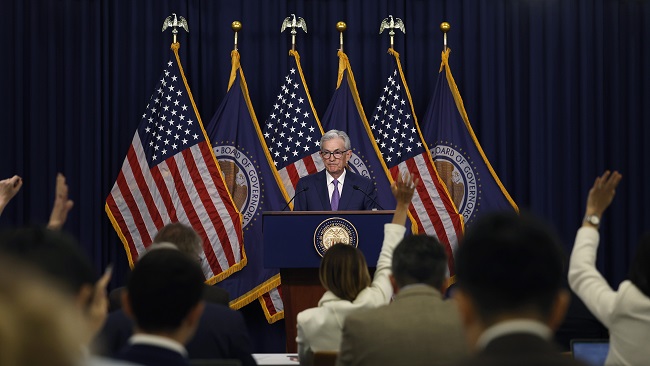
In a move widely anticipated by financial analysts, the U.S. Federal Reserve decided to keep interest rates unchanged during its latest policy meeting, marking the fifth consecutive time it has done so. The decision comes despite mounting pressure from former President Donald Trump, who had called for a sharp rate cut of up to 1% to stimulate economic growth.
The Federal Reserve maintained its benchmark interest rate within the range of 4.25% to 4.50%, signaling continued caution amid persistent inflationary concerns. Analysts had predicted the decision, citing the potential for rising inflation tied to the Trump administration’s aggressive trade policies.
During his presidency, Trump imposed tariffs on a wide array of imports from multiple countries, starting in August of that year. Economists warned that these measures could lead to higher consumer prices, making it more difficult for the Fed to justify lowering rates.
Interest rates remain one of the Federal Reserve’s primary tools for steering monetary policy. By adjusting borrowing costs, the central bank aims to either stimulate economic activity or rein in inflation. With inflationary pressures still looming, the Fed appears committed to a measured approach, resisting political pressure to alter its policy path.
The decision to hold rates steady reflects the central bank’s ongoing concern about inflation and its dedication to preserving its independence from the executive branch. Despite calls from the White House to loosen monetary policy, the Fed has opted for a steady hand, prioritizing data-driven decision-making over short-term political influence.
This cautious stance comes at a time when the U.S. economy faces heightened uncertainty, largely due to the administration’s trade confrontations and broader global economic headwinds. By keeping rates stable, the Federal Reserve signals its intent to monitor inflation trends closely while supporting long-term economic stability.
