

Ahmed Kamel – Egypt Daily News
In a significant escalation of NATO’s military posture along its eastern flank, Germany and France have announced the deployment of additional fighter jets over Poland in response to what Warsaw describes as repeated airspace violations by Russian drones. The move underscores growing concerns in Europe about the intensifying security threats posed by Moscow, which continues to deny any wrongdoing.
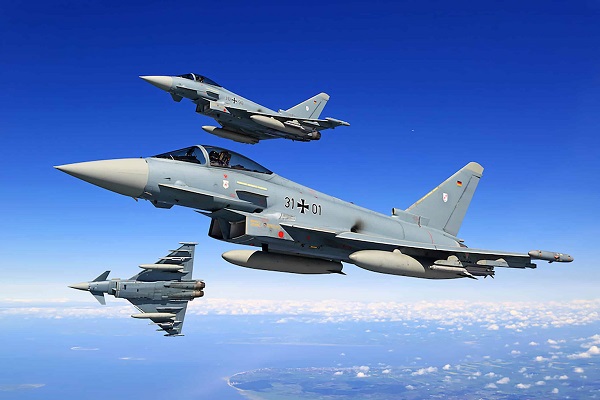
On Thursday, German government spokesperson Stefan Kornelius confirmed that Berlin would expand its air patrol mission over Poland by doubling the number of Eurofighter jets operating from Rostock-Laage Air Base. Previously limited to two aircraft, the mission will now involve four fighters and has been extended through the end of the year, rather than concluding at the end of September as originally planned.
“The security situation requires increased vigilance and a strong show of NATO unity,” Kornelius said, noting that Germany will also step up its military support for Ukraine, though he declined to give specific details. He added that Berlin will push within the European Union for the rapid adoption of a new and tougher 19th sanctions package against Russia, aimed at increasing pressure on the Kremlin.
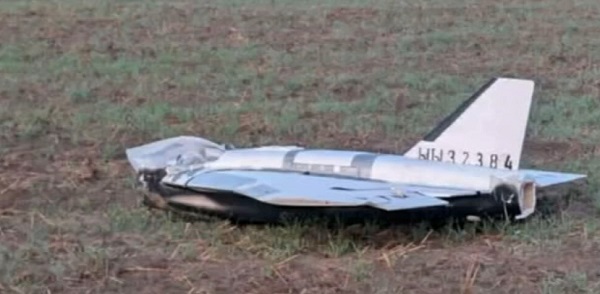
The decision to reinforce the NATO mission comes in the wake of reports from Polish authorities that Russian drones repeatedly violated Polish airspace. Prime Minister Donald Tusk stated that at least 19 incursions had occurred over several hours, with the unmanned aircraft allegedly entering Polish territory from neighboring Belarus not by accident, but as part of a deliberate campaign of provocation. The European Union echoed these claims, saying there were clear indications the incursions were intentional.
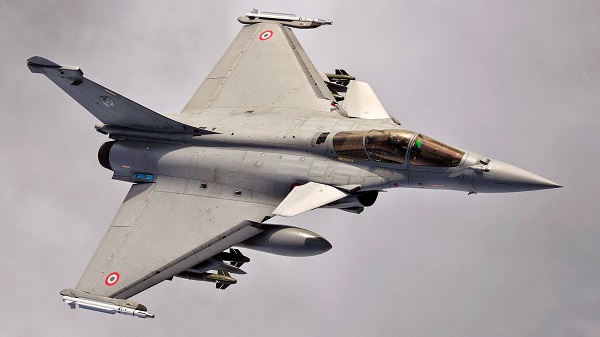
French President Emmanuel Macron also responded swiftly. In a statement published on X (formerly Twitter), Macron announced that France would dispatch three Rafale fighter jets to help protect Polish airspace and secure NATO’s eastern front.
“Following the intrusion of Russian drones into Polish airspace, I have decided to deploy three Rafale fighter jets,” Macron stated. “They will reinforce the defense of Polish skies and the eastern flank of Europe alongside our NATO allies. The security of the European continent is our top priority. We will not yield to Russia’s increasing intimidation.”
In Berlin, German Chancellor Friedrich Merz weighed in with strong language of his own, describing the airspace violations as part of “a new type of Russian attack.” Speaking on Wednesday, Merz rejected any suggestion that the incursions were accidental, calling them a “serious threat to peace throughout Europe.”
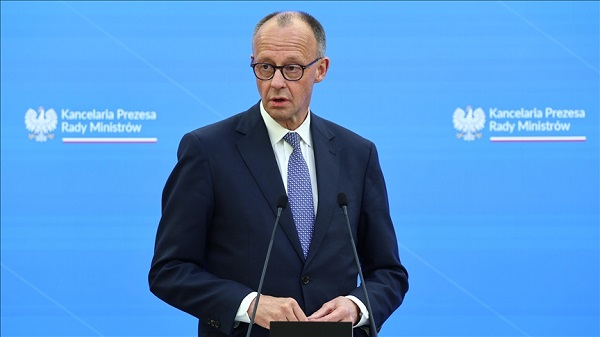
“NATO’s air defenses responded, but not as effectively as they should have,” he said. “This will spark critical discussions within NATO and, of course, within the European Union.”
Meanwhile, Russia has denied all allegations. Acting Russian ambassador to Poland, Andrey Ordash, dismissed the claims as unfounded and politically motivated. Speaking to state-run RIA Novosti, he said, “There is no proof that these drones originated from Russia. These accusations are baseless.”
The diplomatic standoff highlights the fragility of European security as the war in Ukraine grinds on and tensions rise along NATO’s borders. Poland, which shares borders with both Ukraine and Belarus, has increasingly found itself on the front line of these geopolitical frictions.
While no physical damage or casualties were reported from the alleged drone incursions, the political and military implications are significant. NATO has reiterated its commitment to defending all member states, while individual countries like Germany and France are taking visible steps to reinforce that pledge through increased deployments.
As winter approaches, and with the war in Ukraine showing no signs of abating, European leaders appear determined to show unity and resolve in the face of what they see as Russia’s expanding hybrid warfare tactics, including disinformation, cyberattacks, and now, increasingly, airspace provocations.
