

Ahmed Kamel – Egypt Daily News
Egypt’s food exports have recorded strong momentum in the opening months of 2026, with citrus fruits and potatoes leading shipments as the country expands its presence across global markets. The surge comes as Cairo pushes toward an ambitious national target of significantly increasing export revenues by the end of the decade.
According to the National Food Safety Authority, Egypt exported approximately 380,000 tonnes of food products between March 14 and March 27, shipped through more than 8,000 consignments by around 1,800 exporting companies. The exports covered a wide range of nearly 800 food items, including fresh produce, processed goods, grains, and other food products.
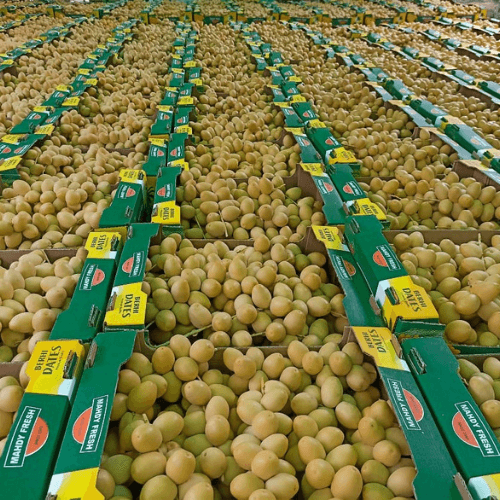
Citrus fruits once again dominated the export landscape, accounting for the largest share among fruit shipments, followed by strawberries and a variety of other fruits. On the vegetable side, potatoes ranked first by a considerable margin, with onions and mixed vegetables also contributing significantly to export volumes.
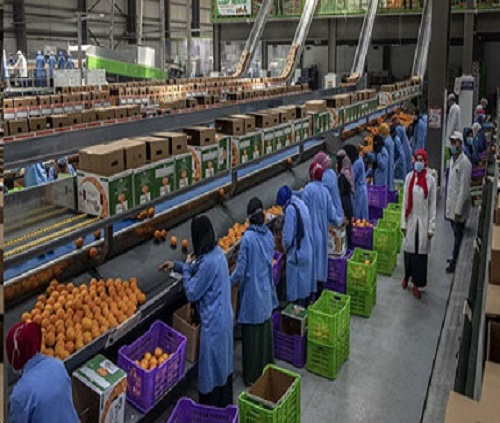
The data highlights Egypt’s growing competitiveness in agricultural exports, particularly in fresh produce, where favorable climate conditions and expanding cultivation areas have supported higher output and improved quality standards.
Egyptian food products reached 194 countries during the reporting period, underscoring the sector’s global reach. Key destinations included Saudi Arabia, Russia, Spain, Lebanon, and Somalia, reflecting a mix of regional and international demand.

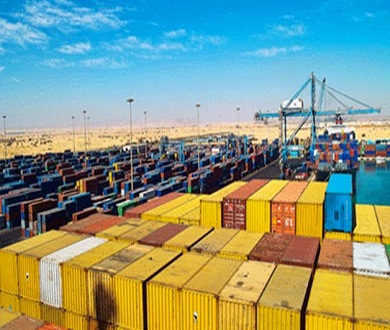
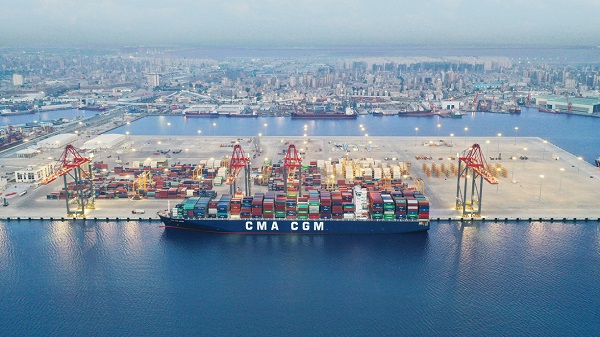
Logistics hubs played a critical role in facilitating this export activity. Safaga Port handled the largest number of outbound food consignments, followed by Damietta Port and Cairo International Airport, indicating the importance of both maritime and air freight channels in sustaining export growth.
Authorities also issued around 2,000 export health certificates during the period, part of a regulatory framework designed to ensure compliance with international food safety standards and enhance confidence in Egyptian products abroad.
At the same time, Egypt continues to rely on imports to meet domestic demand for key commodities. The country received more than 680,000 tonnes of food imports over the same period, including wheat, vegetable oils, soybeans, and lentils. Russia remained the leading supplier, followed by France, the United States, Indonesia, and Ukraine.
Alexandria Port served as the primary entry point for these imports, ahead of Cairo International Airport and Port Said, highlighting the continued importance of Egypt’s Mediterranean gateways in securing essential supplies.
To strengthen oversight, food safety authorities intensified inspections across storage facilities and supply chains. Dozens of inspection campaigns targeted warehouses and food storage sites across multiple governorates, including Cairo, Giza, Alexandria, and others with high storage activity.
Regulators also carried out inspections of bakeries and grain storage facilities to ensure compliance with safety standards. Several incoming consignments were withheld due to non-compliance, reflecting stricter enforcement measures aimed at protecting consumers and maintaining product quality.
Officials say these efforts are part of a broader strategy to boost exports while safeguarding domestic food security. Egypt aims to dramatically increase its total export value by 2030, with the food sector expected to play a central role in achieving that goal.
The latest figures suggest that, despite global supply chain pressures and rising costs, Egypt is successfully positioning itself as a key supplier of agricultural products to both regional and international markets, while maintaining tight controls over food safety and imports at home.
