

Ahmed Kamel – Egypt Daily News
United States President Donald Trump declared a two-week ceasefire with Iran late Tuesday, signaling a potential pause in a rapidly escalating conflict that has threatened global energy supplies and regional stability. The announcement came after Tehran submitted a 10-point proposal aimed at ending hostilities and reopening the strategically vital Strait of Hormuz.
In a statement posted on his Truth Social platform, Trump said Washington would “suspend the bombing and attack of Iran for a period of two weeks,” framing the move as an opportunity to finalize what he described as a “definitive agreement concerning long-term peace.” The ceasefire, according to US officials, is contingent on Iran ensuring the safe and immediate reopening of the narrow maritime corridor through which roughly a fifth of the world’s oil supply passes.
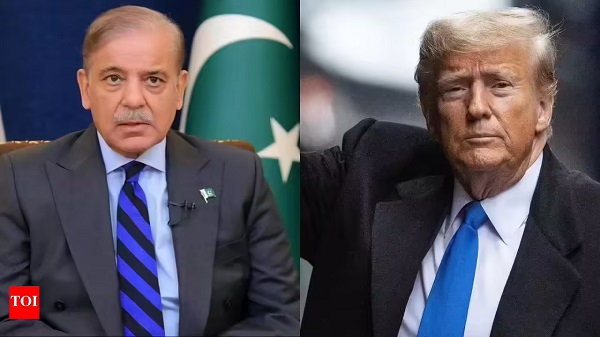
Diplomatic efforts behind the breakthrough involved multiple actors. Pakistani Prime Minister Shehbaz Sharif played a central mediating role, urging both sides to adopt a temporary halt in fighting to allow negotiations to proceed. Iranian officials, meanwhile, acknowledged that last-minute pressure from China contributed to Tehran’s willingness to compromise, particularly given mounting economic strain from the conflict.
Under the proposed arrangement, Iran would permit limited safe passage through the Strait during the ceasefire period, coordinated with its armed forces. Iranian Foreign Minister Abbas Araghchi confirmed the framework, stating that military operations would be scaled back if attacks on Iran ceased.
However, Tehran’s broader proposal underscores the complexity of reaching a lasting settlement. The plan reportedly demands recognition of Iran’s right to uranium enrichment, the lifting of all US sanctions, financial compensation for wartime damage, and the withdrawal of American forces from the region. It also asserts Iran’s continued authority over the Strait, conditions that could prove contentious in Washington.
Despite these differences, Trump described the proposal as “a workable basis” for further negotiations, softening his earlier stance when he dismissed it as insufficient. Talks have been led by Vice President JD Vance, senior adviser Jared Kushner, and special envoy Steve Witkoff.
The conflict, which began in late February under the US military campaign dubbed Operation Epic Fury, has centered heavily on control of the Strait of Hormuz. Iran’s intermittent targeting of commercial vessels in the waterway has disrupted global shipping, sending oil prices sharply higher and rattling international markets.
Following news of the ceasefire, oil prices dropped significantly, with benchmark US crude falling after earlier surges driven by fears of prolonged disruption. Energy analysts caution, however, that volatility is likely to persist until a durable agreement is reached.
Regional tensions remain high. Israeli officials confirmed they would adhere to the temporary ceasefire, though military sources warned of continued readiness amid fears of retaliatory strikes. Reports of missile alerts in Tel Aviv shortly after the announcement highlighted the fragility of the situation.
In the hours leading up to the agreement, hostilities continued. Airstrikes reportedly targeted infrastructure including bridges and transport hubs, while US forces struck facilities linked to Iran’s oil exports, including sites on Kharg Island. Explosions were also reported in Doha, and air defenses were activated in the United Arab Emirates in response to incoming threats.
Trump had earlier issued stark warnings, suggesting catastrophic consequences if no agreement was reached by a self-imposed deadline. His shift toward a temporary truce reflects both diplomatic pressure and the growing risks of a broader regional war.
While the ceasefire offers a narrow window for diplomacy, significant obstacles remain. Core disagreements over Iran’s nuclear program, regional influence, and control of critical shipping lanes continue to divide the two sides. Whether the current pause evolves into a lasting peace agreement will depend on the success of negotiations in the coming days.
