

Ahmed Kamel – Egypt Daily News
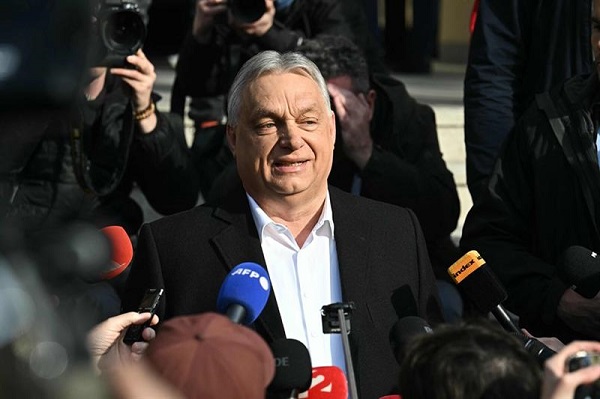
Hungarian Prime Minister Viktor Orbán has conceded defeat in a parliamentary election after 16 years in power, congratulating Péter Magyar, leader of the opposition Tisza party, following a historic vote that is set to reshape Hungary’s political landscape.
The election saw record turnout, with nearly 78% of eligible voters participating, according to officials, marking the highest participation rate in Hungary’s post-Communist history.
With most votes counted, preliminary results indicate that the Tisza party is projected to secure a parliamentary majority, bringing an end to Orbán’s long tenure as prime minister. The party is expected to win around 135 seats in Hungary’s 199-seat legislature, surpassing the 133-seat threshold needed for a governing majority.
Orbán, a nationalist and pro-Russian leader who has governed Hungary since 2010, was seeking a fifth consecutive term and had been endorsed by US President Donald Trump and praised by some conservative figures in the United States and Europe.
His government has faced years of criticism from European Union institutions and international watchdogs over concerns about democratic backsliding, media control, and judicial independence.
Péter Magyar, a former member of Orbán’s Fidesz party, emerged as the leading opposition figure after a high-profile break with the ruling establishment. His campaign focused heavily on corruption, economic stagnation, and public dissatisfaction with healthcare and public services.
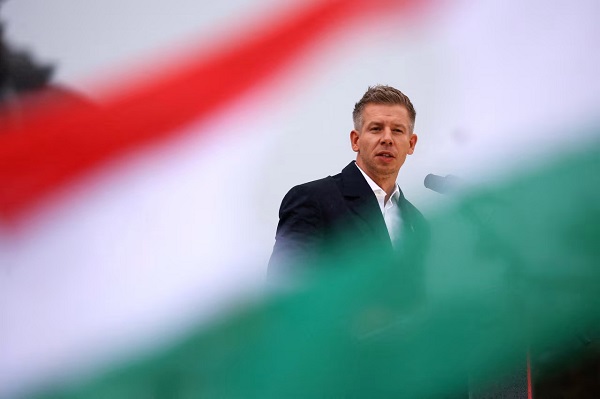
Magyar has positioned himself as a centrist conservative alternative, calling the election a “referendum” on Hungary’s future direction between East and West, and between transparency and corruption.
The campaign period was marked by political tensions, allegations of misconduct, and a highly polarised public debate. Magyar accused the ruling elite of concentrating power and wealth among a small group of families, while promising institutional reform and greater accountability.
Orbán’s political dominance over the past decade has been defined by his nationalist policies, close relations with Russia, and opposition to European Union sanctions on Moscow. His stance has often placed Hungary at odds with Western allies.
International figures, including US Vice President JD Vance, had previously shown support for Orbán ahead of the election, while Russian President Vladimir Putin also maintained political alignment with the Hungarian leader on several key foreign policy issues.
Despite this support, voter concerns over domestic issues such as inflation, corruption, and declining public services played a decisive role in the election outcome.
Magyar’s victory marks one of the most significant political shifts in Hungary in decades, ending Orbán’s 16-year rule and ushering in a new government expected to reshape the country’s domestic and foreign policy direction.
