

Ahmed Kamel – Egypt Daily News
Syria’s government announced Thursday that it has fully taken control of military sites previously operated by US forces, marking a decisive shift in the country’s security landscape and effectively ending more than a decade of American ground presence.
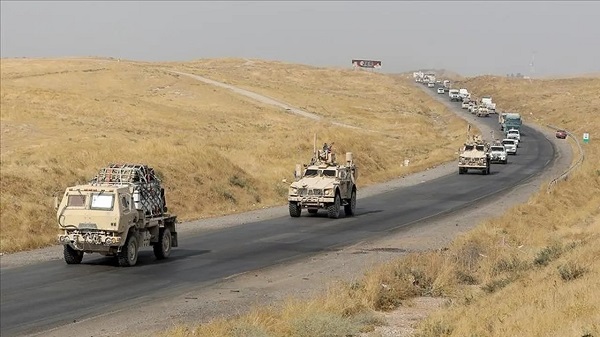
The transfer follows the departure of the final US military convoy from northeastern Syria, with the last troops exiting via Jordan after leaving positions including the Qasrak base.
Washington had maintained forces in Syria since 2014 as part of operations against the Islamic State, working closely with Kurdish-led forces on the ground.
Power Shift on the Ground
With US forces gone, control of key areas in northeastern Syria is now moving fully into the hands of the Syrian government, signaling a major realignment after years of fragmented authority.
Syrian officials said the handover of former US sites reflects what they described as a “natural outcome” of a broader political and military process aimed at restoring state control.
Central to that process is the integration of the Syrian Democratic Forces into state institutions—a step that reshapes alliances that had defined the conflict for years.
From US Allies to State Integration
The Kurdish-led forces, once the primary US partner in the fight against ISIS, agreed earlier this year to a phased integration into Syrian state structures under a ceasefire arrangement announced in January.
That agreement effectively redraws the lines between former allies and adversaries, as Damascus moves to consolidate authority over territories that had remained outside its direct control.
End of a Decade-Long Mission
The US deployment in Syria began at the height of the campaign against ISIS, eventually evolving into a broader mission that included stabilizing liberated areas and countering regional influence.
The withdrawal now closes that chapter.
While US officials have not publicly framed the move as a strategic shift, the complete exit removes a key element of American influence inside Syria and leaves future security dynamics increasingly shaped by local and regional actors.
What Comes Next
The full transfer of bases and positions raises immediate questions about stability in areas previously secured through US-backed coordination.
For Damascus, the move represents a step toward reasserting sovereignty.
For the region, it marks the beginning of a new phase, one in which the balance of power will be tested without a direct US military presence on Syrian soil.
