

Ahmed Kamel – Egypt Daily News
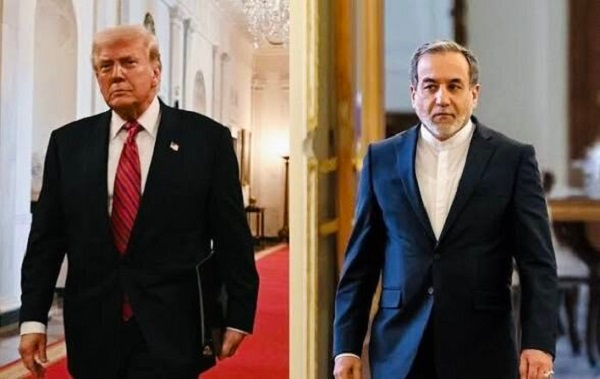
One never knows what to expect today! Negotiations between the United States and Iran in Switzerland have hit a significant roadblock after President Donald Trump issued fresh threats against Tehran, casting uncertainty over a diplomatic process that had been viewed as a potential breakthrough in easing regional tensions.
Despite the setback, sources familiar with the talks say negotiations have not collapsed entirely. Back-channel communications are continuing behind the scenes in an effort to bring both delegations back to the negotiating table at the Bürgenstock resort overlooking Lake Lucerne.
The latest tensions emerged as Vice President JD Vance and senior administration officials attempted to advance discussions with Iranian representatives on a broad framework covering nuclear issues, regional security, sanctions relief, and maritime stability.
Trump Escalates Pressure on Tehran
The diplomatic atmosphere deteriorated after Trump warned that the United States could resume military action against Iran and potentially take control of the strategically vital Strait of Hormuz if negotiations fail.
Speaking during a television interview on Sunday, the president vowed to increase pressure on Tehran if an agreement is not reached within the current negotiating window.
The comments came amid renewed concerns surrounding the Strait of Hormuz, one of the world’s most important energy transit routes. Iranian authorities recently claimed they had closed the waterway in response to Israeli military operations in Lebanon, though U.S. military officials have disputed those assertions and maintain that international shipping continues to pass through the area.
The Strait of Hormuz carries approximately one-fifth of globally traded oil, making any disruption a major concern for governments, energy markets, and investors worldwide.
Iran Condemns U.S. Threats
Iranian negotiators reacted sharply to Trump’s remarks, accusing Washington of undermining ongoing diplomatic efforts.
Mohammad Bagher Ghalibaf, Iran’s chief negotiator at the talks, criticized what he described as American “desperation” and warned that threats would only complicate efforts to reach a lasting agreement. The exchange highlighted the fragile nature of negotiations, which are attempting to address a wide range of contentious issues after years of hostility between the two countries.
According to sources connected to the Iranian delegation, discussions remain stalled but active efforts are underway to prevent a complete breakdown. Diplomats from several intermediary countries are reportedly engaged in private consultations aimed at restoring momentum to the talks.
Oil Sanctions Relief Takes Shape
Despite the political tensions, Iranian officials indicated that progress has been made on one key component of the negotiations: temporary sanctions relief for Iran’s energy sector.
Hossein Ghorbanzadeh, an economic adviser participating in the talks, said a draft agreement has been finalized that would provide a temporary exemption from U.S. sanctions on Iranian oil and petroleum products.
If implemented, the measure could allow Iran to expand oil exports while broader negotiations continue, potentially providing significant economic relief to the country. According to Iranian officials, discussions have focused heavily on implementing provisions designed to stabilize the region and create conditions for more comprehensive agreements in the future.
Five Core Priorities
Iran’s negotiating team outlined five principal objectives currently guiding the talks:
- Ending active conflicts across the region.
- Lifting economic restrictions and blockades.
- Reopening and securing maritime traffic through the Strait of Hormuz.
- Obtaining temporary sanctions exemptions for oil exports and related products.
- Securing the release of Iranian assets frozen abroad.
Iranian representatives have indicated that progress on these issues is closely linked and that implementation of broader agreements may depend on developments elsewhere in the region.
Lebanon Remains Major Obstacle
The conflict in Lebanon continues to be one of the most significant challenges facing negotiators.
Iranian officials have made clear that broader implementation of the proposed memorandum cannot move forward until there is a durable resolution to the fighting between Israel and Hezbollah. Although recent ceasefire efforts have reduced violence, the situation remains unstable. Continued clashes or renewed military escalation could quickly derail diplomatic progress between Washington and Tehran.
The linkage between Lebanon and the broader U.S.-Iran negotiations demonstrates how regional conflicts remain deeply interconnected, making any comprehensive agreement far more difficult to achieve.
Markets Watching Closely
The outcome of the Switzerland talks is being closely monitored by global financial markets, particularly energy traders concerned about the future of oil supplies and maritime security.
Any agreement that keeps the Strait of Hormuz open and allows Iranian oil exports to increase could help stabilize global energy prices. Conversely, a collapse in negotiations combined with renewed military tensions could trigger fresh volatility in oil markets.
For now, diplomats remain engaged despite the public exchange of threats and criticism. With back-channel communications continuing and both sides still maintaining delegations in Switzerland, negotiators appear determined to keep the possibility of a broader agreement alive.
Whether those efforts can overcome growing mistrust and escalating regional tensions may determine not only the future of U.S.-Iran relations but also the stability of the wider Middle East in the months ahead.
