

Ahmed Kamel – Egypt Daily News
A planned visit to the United States by Italy’s Foreign Minister Antonio Tajani has been canceled after comments by US President Donald Trump about Italian Prime Minister Giorgia Meloni triggered diplomatic backlash. The decision affects scheduled meetings in Washington and a business forum in Miami involving US and Italian officials.
Tajani was expected to meet Secretary of State Marco Rubio as part of discussions on economic cooperation and strategic resources. The trip was also linked to a broader Italy-US investment and innovation event that has now been called off.
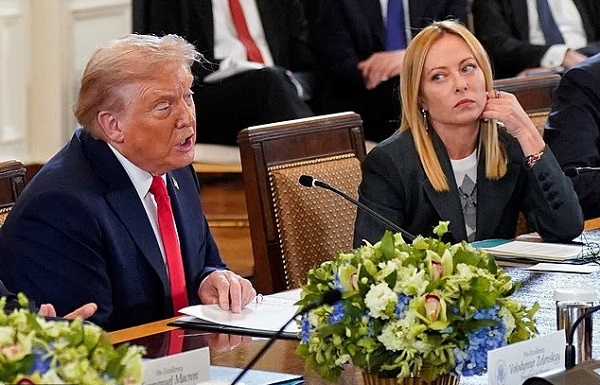
The controversy began after Trump made comments in an interview with an Italian media outlet regarding Meloni’s behavior at a recent international summit. He suggested she had strongly requested a photograph with him, remarks that were later widely circulated and criticized in Italy.
Meloni rejected the statements, calling them completely false and expressing surprise at what she described as misrepresentation. She responded publicly in a video message, saying the claims did not reflect reality and defending Italy’s position.
Italian officials reacted strongly, with Foreign Minister Tajani describing the remarks as offensive and unacceptable. His decision to cancel the US visit was presented as a direct response to the situation.
Trump later reiterated his criticism in a separate interview, raising concerns about Meloni’s stance on international coordination issues. He also referred to disagreements involving broader Western security discussions.
The dispute adds strain to a relationship that has previously been described as politically cooperative between the two leaders. Meloni has often been viewed as one of Trump’s closest European allies, particularly on immigration and sovereignty policies.
Despite past alignment on certain issues, the latest exchange highlights growing friction between the United States and key European partners. Neither the White House nor the US State Department has issued a formal response to the developments.
