

Ahmed Kamel – Egypt Daily News
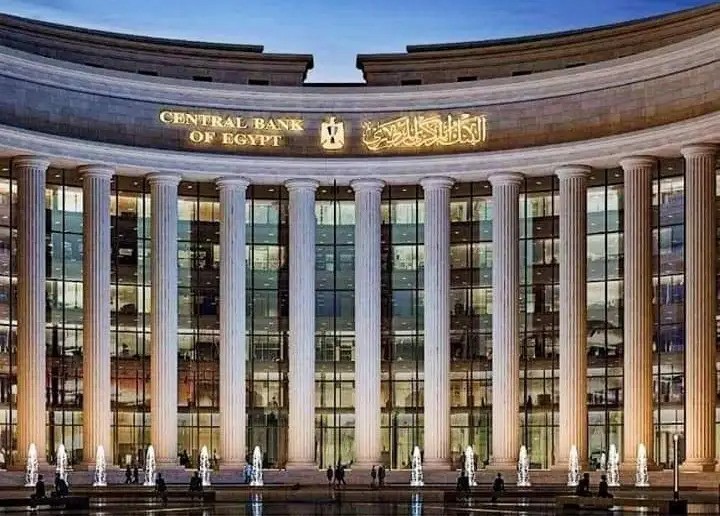
The Central Bank of Egypt raised its key interest rates by 1 percentage point on Thursday, October 29, in its first increase in about two and a half years. The decision went against expectations among many analysts, who had anticipated that rates would remain unchanged. The Monetary Policy Committee said it had raised the overnight deposit rate to 20 percent and the overnight lending rate to 21 percent. The rate on the central bank’s main operation was increased to 20.5 percent.
The move marks a shift toward tighter monetary policy after a period in which the central bank had held rates steady and assessed economic conditions. Higher borrowing costs are intended to help contain inflationary pressure and support confidence in the Egyptian pound, which has weakened against the U.S. dollar. The decision comes amid uncertainty surrounding the Iran conflict, attacks by Yemen’s Houthi movement and concern that regional tensions could intensify economic pressures.
The rate increase was the first since March 2024, when the central bank raised rates by 6 percentage points in a single move. That decision came alongside Egypt’s return to a more flexible exchange-rate system, after authorities had maintained restrictions on currency movements during a period of severe pressure on the pound. The increase announced Thursday is smaller, but it signals that policymakers are prepared to tighten monetary conditions again when they judge inflation and currency risks to be significant.
A weaker currency can raise the local cost of imported goods and inputs, potentially adding to inflation. Egypt is exposed to changes in international prices, including energy costs, and a fall in the pound can make imports more expensive in domestic currency. The central bank’s rate increase is intended to limit the risk that such pressures feed into broader prices and affect inflation expectations.
The currency’s recent performance has added to those concerns. The Egyptian pound reached a record low of 56.2 to the U.S. dollar on October 26, after losing value during the year. Analysts have linked the pressure to higher energy costs and uncertainty associated with the Iran war, among other factors. A weaker pound can also make foreign-currency debt more costly to service, increasing the strain on public finances.
Regional security risks have also complicated the economic outlook. Egypt faces possible effects on tourism, trade and foreign investment if conflict spreads or shipping disruptions worsen. The Houthi attacks and the wider confrontation involving Iran have added uncertainty for markets and policymakers. The central bank’s rate decision reflects concern not only about current price movements, but also about the possibility that external shocks could intensify inflation or weaken confidence in the currency.
Raising interest rates can make borrowing more expensive for households and businesses. Consumers may face higher costs on new loans, while companies could reconsider investment or expansion plans if financing becomes less affordable. For savers, higher rates may improve returns on deposits and other interest-bearing products, although the effect depends on the terms offered by individual banks and whether returns keep pace with inflation.
The decision therefore involves competing priorities. Tighter policy may help restrain inflation and support the currency, but it can also weigh on economic activity by increasing financing costs. The central bank must balance these effects as it responds to domestic price pressures and external risks. The latest increase suggests that, for now, the committee considers inflation and currency stability important enough to justify a more restrictive stance.
For borrowers, the change does not necessarily mean every existing loan will immediately become more expensive; the effect depends on each loan’s terms and whether its interest rate is fixed or variable. New borrowing and products linked to prevailing market rates may be more directly affected. Depositors, in turn, should check the terms and rates offered by their banks rather than assume that returns will adjust uniformly.
The central bank’s move also alters expectations for the months ahead. After six months of caution, policymakers have now chosen to raise rates rather than wait for clearer evidence about the direction of inflation and exchange-market pressures. The committee’s decision signals a readiness to respond to risks as they develop, while leaving the impact of the increase on prices, borrowing and currency stability to be assessed over time.
