

Ahmed Kamel – Egypt Daily News
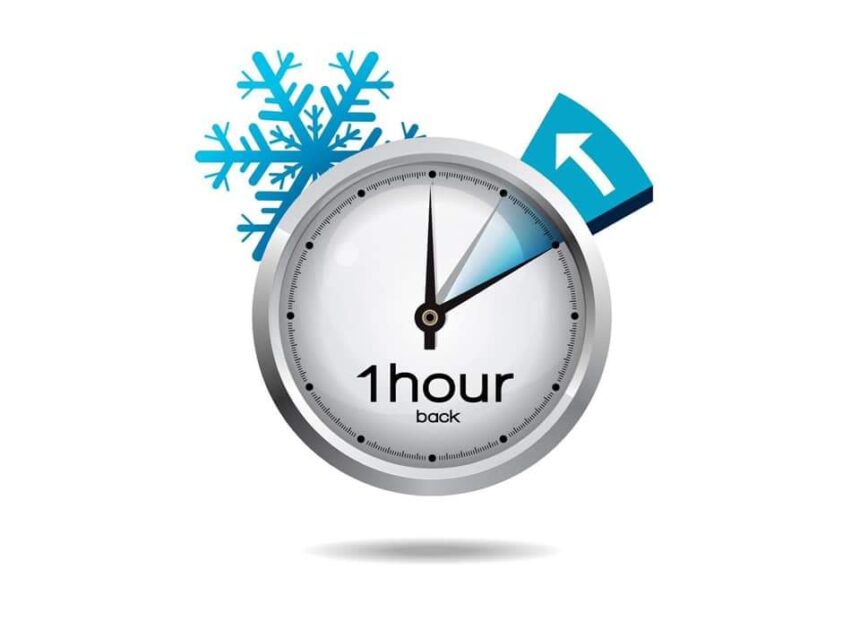
Egypt will return to winter time on Friday, October 30, with clocks set back by 60 minutes at midnight. The change takes place at the end of Thursday, October 29: when the clock reaches 12:00 a.m., it will move back to 11:00 p.m. Thursday, effectively giving the day an extra hour under the new time system. The shift follows the schedule set out in Egypt’s daylight-saving-time law, which provides for the seasonal change between summer and standard time.
The adjustment means that people should check time-sensitive plans around the transition, including work and school schedules, travel bookings, appointments and alarms. While many smartphones and other connected devices update automatically, clocks that do not receive network time may need to be changed by hand. Residents can check their devices on Friday morning to make sure they display the official local time.
Under the rules governing the system, Egypt advances clocks by one hour on the last Friday of April and returns them to standard time on the last Thursday of October. In 2026, daylight-saving time began on April 24 and ends with the change overnight on October 29–30. The annual switch changes the official time used for daily schedules; it does not alter the actual movement of the sun or add daylight to the day.
For most people, the practical adjustment will be straightforward: the same appointment listed for 9 a.m. remains at 9 a.m. according to the official clock, but the relationship between clock time and daylight shifts. Sunrise and sunset will appear about an hour earlier on the clock after the change compared with the preceding day. The precise times of sunrise and sunset continue to vary naturally over the weeks, so the one-hour comparison describes the effect of changing the clock, not a sudden change in daylight itself.
Smartphone users can prepare by checking that automatic date and time settings are enabled and that the device is set to the correct time zone for Cairo. If automatic updates are turned off or fail, the clock may not reflect the change until adjusted manually. It is also worth checking alarm settings, calendar entries and reminders after the transition, particularly for commitments scheduled during the overnight change.
Other devices may need attention as well. Traditional wall clocks, watches, car clocks and some electronic equipment may not update on their own. Businesses and organizations that rely on digital systems for booking, attendance or timed services may also need to ensure their systems recognize the new official time. The adjustment is especially relevant for people traveling overnight, since a departure or arrival time can be affected by the repeated 11 p.m. hour.
The time change does not itself change the length of a workday or school day. Government offices, schools, universities and private employers are expected to continue following their established schedules unless the relevant authorities or institutions announce separate changes. Employees, students and families should therefore distinguish between the clock adjustment and any independent decision to alter opening, attendance or dismissal times.
Travelers should check the information issued by their transport provider and use the time printed on their current ticket or booking. Train, bus and flight schedules are tied to official local time, and the overnight transition can make it easier to misread a departure or arrival. Checking notices from transport companies and confirming the time shown on a phone before leaving home can help prevent confusion. The same care applies to meetings and reservations scheduled around midnight.
The return to standard time is part of Egypt’s recurring seasonal system, established under Law No. 24 of 2023. The law sets the broad calendar for advancing clocks in spring and moving them back in autumn. With the 2026 change, Egypt’s official clocks will return to standard time for the winter period, while daily routines continue according to their usual timetables unless separate instructions are issued.
