

Ahmed Kamel – Egypt Daily News
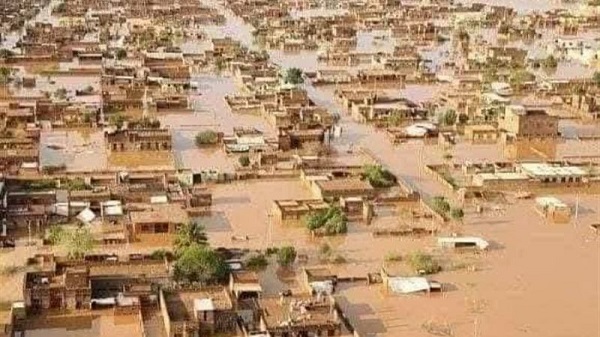
Sudan is grappling with devastating floods that have swept through homes, farmlands, and entire neighborhoods, triggering alarm both domestically and across neighboring countries. What has shocked many observers is not just the scale of the flooding described as the worst in decades but the sudden and unexplained rise in Nile water levels, which experts and activists are linking to uncoordinated water releases from Ethiopia’s Grand Ethiopian Renaissance Dam (GERD).
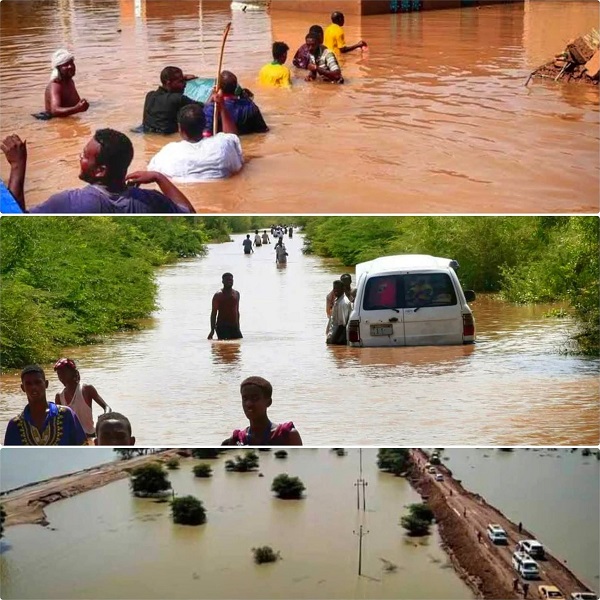
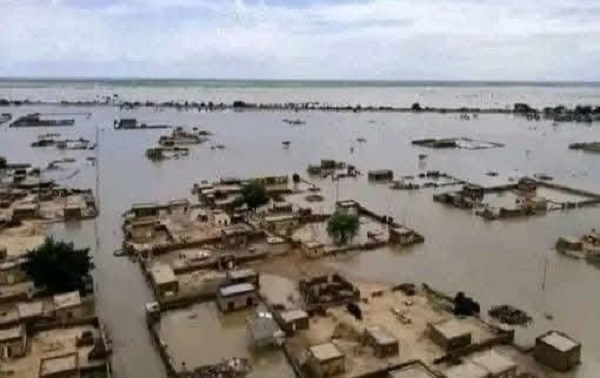
Social media across the region, especially in Egypt and Sudan, was inundated with images and videos of the disaster, showing entire towns submerged under muddy floodwaters. The topic quickly topped trends on platforms like X (formerly Twitter), with the Arabic hashtag “#غرق_السودان” (“Sudan drowning”) dominating conversations.
According to Sudan’s Ministry of Irrigation, the floodwaters arrived out of season and with alarming intensity. Authorities issued a red alert across several states, including Sennar, Blue Nile, and Khartoum, warning of rising water levels in the Blue and White Niles. Officials have traced the flooding to an unannounced release of massive volumes of water from GERD during Ethiopia’s ongoing rainy season.
Observers noted that GERD’s full reservoir, coupled with unexpectedly heavy rainfall across the Ethiopian highlands, likely pushed the dam to release overflow water through its spillways and middle passage. Without prior coordination with Sudan or Egypt, the sudden discharge resulted in an uncontrollable surge in downstream river flow, devastating communities along the riverbanks.
An Avoidable Disaster?
Sudanese blogger and activist Ali Damazin, who has long warned of the risks associated with GERD, expressed frustration in a widely shared post:
“I warned months ago that flooding was inevitable. What we’re seeing now is not just a natural disaster, it feels like a man-made catastrophe. Let’s hope it wasn’t deliberate. But how can we trust a neighbor that floods our country without warning?”
Similar sentiments were echoed by writer Abdelhamid Ahmed Hamdi, who accused Ethiopian authorities of mishandling the dam’s operations.
“Why did they release the water? Because the turbines aren’t functioning properly, and the lake was filled above safe levels. They had to open the gates. But there was no communication with Egypt or Sudan it’s chaos,” he wrote.
Hamdi added that the Nile’s water level in Khartoum reached 16.89 meters dangerously close to the major flood threshold, with the White Nile also rising abnormally, increasing the pressure on key urban centers like Khartoum, where the two Niles converge.
The blogger Omar El-Bastawy described the situation as a “national disaster,” saying:
“Ethiopia opened GERD’s floodgates while water was already overflowing from the dam’s middle spillway, drowning huge tracts of land in Sudan. We’re facing the highest Nile water levels in 50 years.”
Environmental and hydrological experts warn that such uncoordinated releases pose existential risks to Sudan, which lacks the large reservoir capacity of Egypt’s High Aswan Dam. Sudanese dams, including Rosieres and Sennar, were forced to open their gates to release pressure, while local authorities scrambled to deliver limited aid to thousands of displaced families.
Human and Economic Toll
The humanitarian impact has been profound. Entire villages in regions like Gezira and Damazin were submerged, displacing between 50,000 to 100,000 people, according to activists on the ground. In some areas, up to 30% of agricultural output was lost, exacerbating food insecurity in a country already reeling from economic collapse and civil unrest. Roads were washed away, clean water supplies were contaminated, and vital infrastructure was severely damaged.
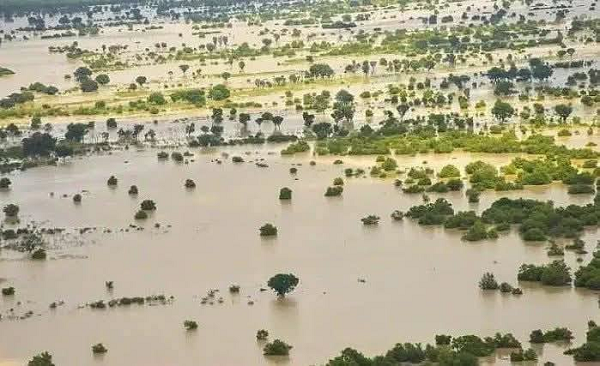
The Red Crescent and Sudanese civil defense units have been deployed, but relief efforts remain severely underfunded. Meanwhile, concerns are mounting that the flooding may not be over. Meteorological forecasts indicate continued heavy rainfall in Ethiopia through mid-October, potentially prolonging the crisis.
Rising Regional Tensions
The incident has reignited long-standing tensions surrounding the GERD project. While Ethiopia touts the dam as essential for its economic development and electricity generation, both Egypt and Sudan have consistently demanded a binding agreement on dam operation and water sharing particularly regarding emergency releases like the one that may have contributed to the current flooding.
Egyptian authorities have yet to issue a formal statement on the latest flood, but analysts say the sudden water inflow could also impact the water balance of Lake Nasser, the reservoir behind Egypt’s Aswan High Dam.
Critics argue that GERD, which was once promoted as a tool for regional cooperation and sustainable water management, is being used as a unilateral instrument of power. Sudanese activist Israa Adly called for Ethiopia to be held accountable, writing:
“They said the dam would regulate water flow and prevent floods. Instead, it’s being used like a weapon. Ethiopia must be held responsible and pay reparations.”
A Call for Urgent Dialogue
As floodwaters continue to rise and more communities face displacement, calls are growing for urgent diplomatic engagement. Experts warn that without coordinated water management between Ethiopia, Sudan, and Egypt including real-time data sharing and operational transparency, such disasters may become more frequent and more severe.
The latest crisis underscores the fragility of Nile Basin relations and the urgent need for a legally binding trilateral agreement. For Sudanese citizens, however, the priorities are immediate: survival, recovery, and preventing the next wave of destruction.
“This isn’t just about water,” said one Khartoum resident whose home was lost in the flood. “This is about life, sovereignty, and trust and all of it is drowning.”
