

Egypt Daily News – Tensions between the United States and Iran escalated dramatically this weekend after U.S. airstrikes targeted three key Iranian nuclear facilities. In the aftermath, senior Iranian officials issued stern warnings and signaled a potential shift in Iran’s nuclear and military posture.
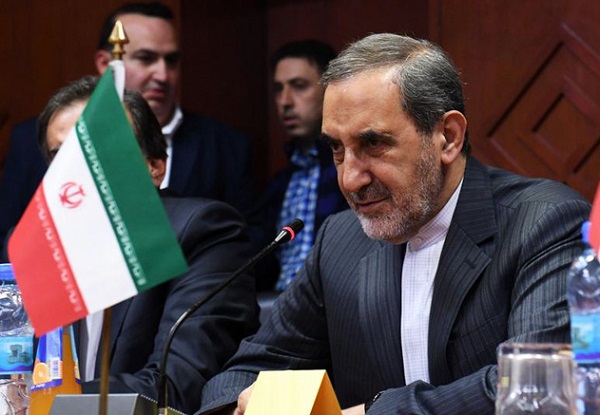
Ali Akbar Velayati, senior advisor to Supreme Leader Ali Khamenei, declared on Sunday that “the game isn’t over,” emphasizing that U.S. attacks had failed to destroy Iran’s stockpile of enriched uranium. Speaking to Iran’s state-run IRNA news agency and quoted by Agence France-Presse, Velayati cautioned that American bases involved in the strikes are now “legitimate targets.”
“There is no longer any place for America or its bases in this region or the Islamic world,” Velayati stated. “America struck at the heart of the Islamic world and must now await consequences that cannot be undone.”
U.S. Role Under Fire
Iranian President Masoud Pezeshkian also condemned the strikes, asserting that they prove Washington is the “primary driver” behind Israeli military actions against Iran. “The U.S. joined the battlefield after witnessing Israel’s failure,” Pezeshkian said, accusing Washington of escalating the conflict after Iranian retaliatory strikes against Israeli positions.
In remarks aimed at unifying the Iranian public, Pezeshkian said the Israeli assault—which killed several military leaders, scientists, and civilians—should serve as a rallying point for national unity. “The Iranian people have always been ready to sacrifice for their homeland,” he said during a rally in Tehran’s iconic Revolution Square, where demonstrators chanted “Revenge, revenge,” raising clenched fists.
Nuclear Response Under Consideration
Iran’s Foreign Minister Abbas Araghchi, speaking at a press conference in Istanbul, strongly condemned the U.S. strikes as a violation of international law. He warned that Iran is evaluating all options in response, including a potential withdrawal from the Nuclear Non-Proliferation Treaty (NPT).
“America has crossed a major red line by targeting our nuclear facilities,” Araghchi said, noting that Iranian forces are on high alert and that damage assessments at Fordow, Isfahan, and Natanz are ongoing.
Asked whether Iran might shut down the strategic Strait of Hormuz, a key global shipping route for oil, Araghchi replied, “All options are on the table.”
He also urged the International Atomic Energy Agency (IAEA) Board of Governors to condemn the attacks and emphasized that Iran would defend its security and sovereignty by any means necessary.
Trump’s “Success” and Threats of Further Action
U.S. President Donald Trump confirmed that American fighter jets had struck the Fordow, Natanz, and Isfahan nuclear facilities, calling the operation a “complete and total success.” In a televised address from the White House, Trump warned that further, more severe strikes could follow if Iran retaliates or refuses to return to peace negotiations.
“The airstrikes destroyed all three targets completely,” Trump said. “Iran now faces a choice: peace or devastation.”
Despite Trump’s claims, Iranian officials insist that their nuclear program remains intact and operational, and that the country’s will has not been broken.
Regional Fallout and Uncertain Future
The latest exchange marks a dangerous escalation in a volatile region already teetering from months of shadow war between Israel and Iran. With direct U.S. involvement now confirmed, prospects for de-escalation appear slim, and international diplomacy faces renewed strain.
Iran’s leadership remains defiant, insisting that it never left the negotiating table. “How can we return to negotiations we never abandoned?” Araghchi asked pointedly, accusing the U.S. and Israel of deliberately sabotaging diplomacy.
As global powers urge restraint, the situation continues to evolve—fast. Whether this marks the beginning of a broader conflict or a temporary flashpoint remains uncertain.
