


Ahmed Kamel – Egypt Daily News
A sweeping Israeli government plan to take full military control of Gaza City has triggered an international outcry, with several countries and global institutions condemning the move as a dangerous escalation that threatens to worsen an already catastrophic humanitarian crisis in the besieged Palestinian enclave.
Early Friday morning, Israel’s security cabinet approved a controversial strategy to expand its military operations into Gaza City, a move that has drawn growing domestic and international criticism as the war in Gaza nears its second year.
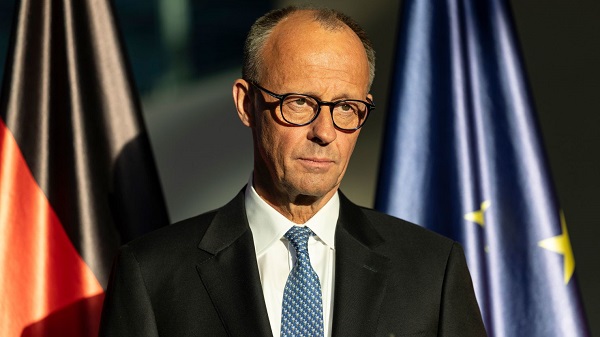
In a significant policy shift, German Chancellor Friedrich Merz announced that Berlin will halt all exports of military equipment to Israel that could potentially be used in Gaza. “While Germany supports Israel’s right to disarm Hamas and secure the release of hostages, the intensified military campaign in Gaza makes these objectives harder to achieve,” Merz said in a statement. He emphasized that the German government is deeply concerned about the suffering of Gaza’s civilian population and considers a ceasefire and hostage release top priorities.
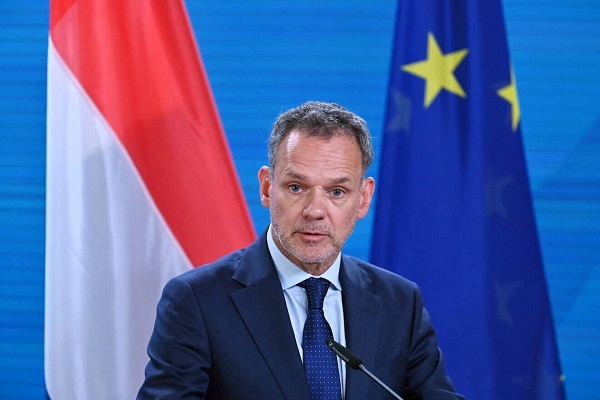
From the Netherlands, Foreign Minister Caspar Veldkamp labeled the Israeli plan “a mistake,” warning that the deteriorating humanitarian conditions in Gaza demand immediate relief, not further escalation. “This decision does not contribute to the return of hostages or an improvement in humanitarian access,” he said on X.
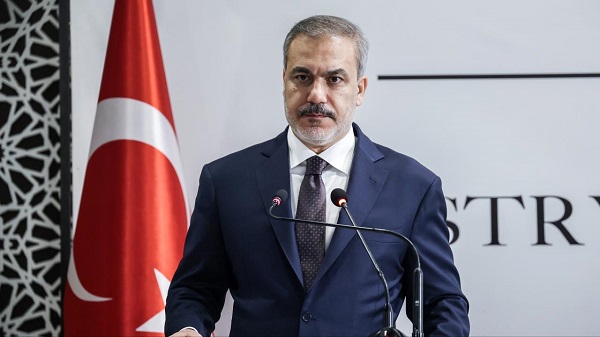
Turkey also joined the wave of condemnation, describing the Israeli government’s actions as part of an “extreme agenda.” A Turkish Foreign Ministry source confirmed that Foreign Minister Hakan Fidan would travel to Cairo to discuss the developments with President Abdel Fattah El-Sisi and other senior officials. Ankara considers Israel’s moves to be a serious blow to the two-state solution and an effort to normalize permanent occupation. Turkey has already suspended all trade with Israel and previously accused it of committing genocide in Gaza.
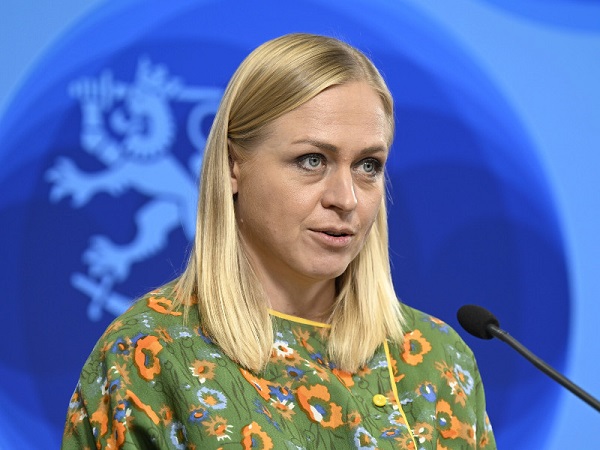
Finland’s Foreign Minister Elina Valtonen expressed “grave concern” about Israel’s latest military escalation. In an interview with Reuters, Valtonen stressed the importance of preserving the possibility of a two-state solution despite current political tensions. While acknowledging that other Western nations, including France, the UK, and Canada, have recently voiced support for recognizing a Palestinian state, she said Finland has no immediate plans to do so.
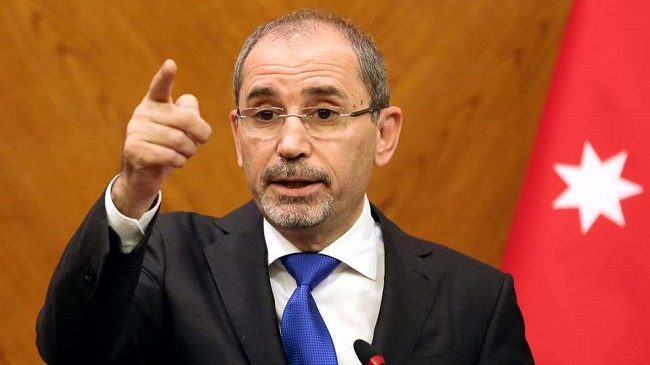
Jordan’s Foreign Ministry denounced the Israeli plan as “a continuation of grave violations of international and humanitarian law,” accusing Israel of using starvation and siege as weapons and deliberately targeting civilian infrastructure. The ministry warned that full military control over Gaza would undermine efforts to broker a ceasefire and worsen the humanitarian catastrophe.

Belgium’s Foreign Ministry took the extraordinary step of summoning the Israeli ambassador to Brussels to protest the plan, calling it unacceptable and indicative of Israel’s intent to annex both Gaza and the occupied West Bank. Belgium urged the Israeli government to reverse the decision immediately.
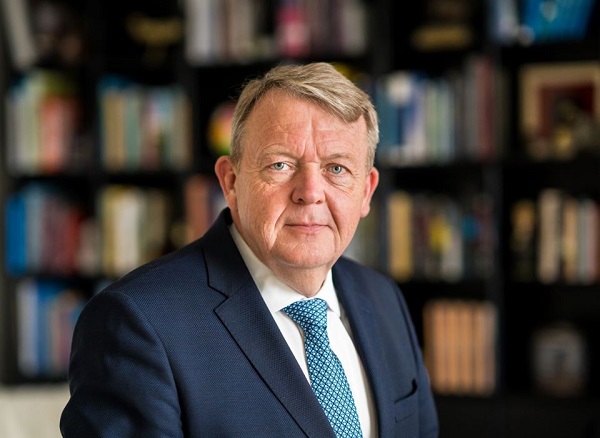
Danish Foreign Minister Lars Løkke Rasmussen echoed similar concerns, saying on national television that Israel’s decision was misguided and should be reversed. “This is not the path to peace,” he said bluntly.

European Commission President Ursula von der Leyen added her voice to the chorus, writing on X that Israel should reconsider its plan to expand the offensive in Gaza.
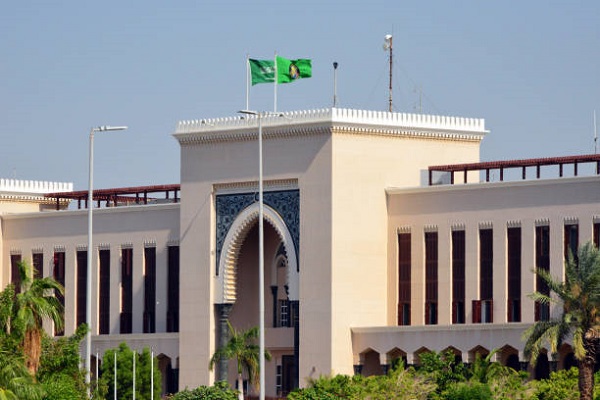
Saudi Arabia issued one of the harshest condemnations, denouncing what it called Israel’s “barbaric acts, ethnic cleansing, and starvation tactics.” The Saudi Foreign Ministry said the plan reflects “a brutal occupation bent on erasing the Palestinian people” and called for immediate international intervention.
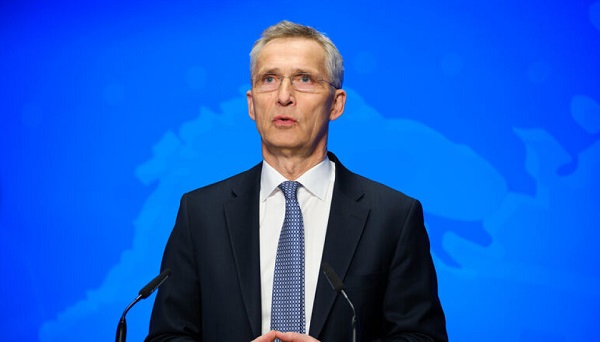
Meanwhile, economic repercussions are starting to emerge. Norway’s $2 trillion sovereign wealth fund, the largest in the world, is reviewing its investments in Israel amid growing political pressure. Finance Minister Jens Stoltenberg announced that the fund will release an update next week, although he ruled out a full divestment.
The move comes after reports that the fund had holdings in Israeli defense contractors, including a firm involved in fighter jet maintenance for the Israeli military. The fund has already divested from Israeli energy and telecom companies and is now reviewing investments in five Israeli banks.
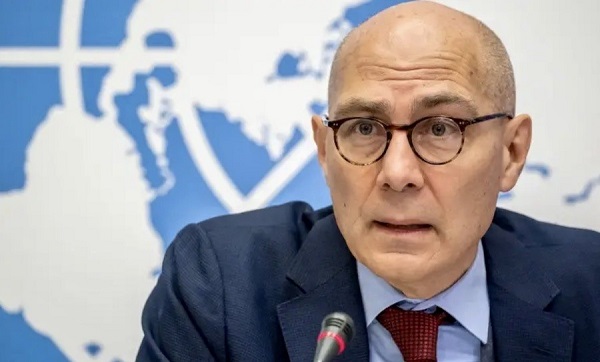
At the United Nations, High Commissioner for Human Rights Volker Türk issued a scathing statement urging Israel to immediately abandon its plan for a full military takeover of Gaza. He warned that the offensive would lead to more “mass forced displacement, death, and unbearable suffering,” and stands in direct violation of international law and the International Court of Justice’s recent ruling demanding an end to Israeli occupation.
“Rather than escalating the war,” Türk said, “the Israeli government should do everything in its power to protect civilian lives, including allowing the full and unimpeded flow of humanitarian aid into Gaza.” He also reiterated calls for the immediate and unconditional release of all hostages held by Palestinian armed groups.
The Gaza conflict, now in its second year, was triggered by a Hamas-led attack on Israel in 2023. Since then, Israeli military operations have devastated much of the enclave, leaving thousands dead and displacing hundreds of thousands. With the latest decision to occupy Gaza City, Israel risks deepening its diplomatic isolation and inflaming tensions across the region.
As global pressure intensifies, the future of any potential political resolution particularly the long-fragile two-state solution appears increasingly uncertain. The coming days may prove pivotal in determining whether the conflict continues to spiral or whether the mounting international backlash can slow or reverse Israel’s current course.
