


Ahmed Kamel – Egypt Daily News
Scores of foreign tourists estimated at around 600 are stranded on the remote Yemeni island of Socotra following escalating tensions between Saudi Arabia and the United Arab Emirates, which have disrupted travel to the UNESCO World Heritage site known for its unique biodiversity. The island, located over 300 kilometers south of Yemen’s mainland in the Gulf of Aden, has historically remained insulated from the decade-long civil war on the mainland, making it a rare haven for adventure tourism.

The crisis unfolded after the UAE withdrew its forces from Socotra last week, following a Saudi-backed demand for their exit within 24 hours. The departure effectively left the airport and other key facilities in limbo, stranding approximately 600 tourists, including Europeans and Americans. Commercial flights to and from the island were suspended amid the dispute, forcing visitors to seek alternative routes through Saudi Arabia.
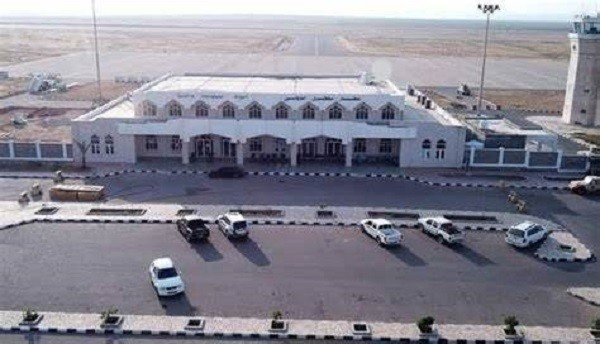
“Everyone just wants to return to their normal life,” said Aurelia Kriekstaponini, a Lithuanian tourist stranded on the island. “No one has any clear information about what will happen next.” Polish, German, and American tourists also reported limited consular support, with many relying on cash for basic necessities, as banking and ATM services are unavailable on the island.

Socotra is famed for its dramatic cliffs, pristine white sand beaches, and endemic flora such as the iconic dragon’s blood tree. Until recently, the island’s main access point was through flights from the UAE, which began controlling Socotra in 2018 by deploying military forces and establishing influence via the UAE-backed Southern Transitional Council (STC). The UAE has also invested in infrastructure on the island, including renovating the airport, improving navigation systems, and funding water and electricity projects, effectively turning Socotra into a hub for tourism and research.
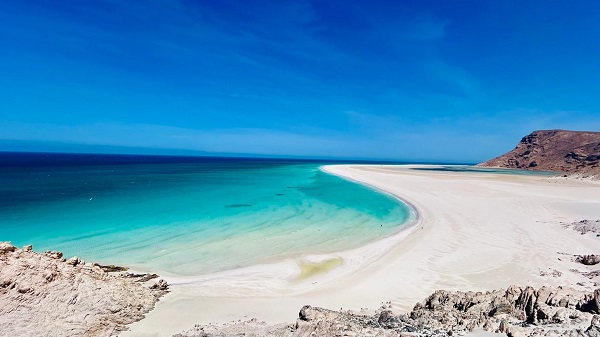
Analysts describe Socotra as a “floating aircraft carrier” in the strategically important Bab al-Mandeb corridor, linking the Red Sea to the Arabian Sea. “Even without firing a single shot, controlling Socotra gives a country significant advantages: surveillance, influence, and strategic leverage,” said Andreas Krieg, a professor at King’s College London.
The recent withdrawal of UAE forces and the resulting standoff between the UAE-backed STC and Saudi-supported Yemeni government forces reflect a broader Gulf rivalry in Yemen. Saudi airstrikes have targeted UAE-linked positions, while the STC continues to assert de facto control over Socotra, even as the airport and key transport infrastructure have fallen out of UAE hands.
Tourists have been advised to consider maritime evacuation to Oman to continue their journeys, but logistical challenges remain. “We have a limited amount of money, and most of us will run out in a few days,” said Mateusz, a Polish tourist. “If funds run out, we’ll have to sleep outdoors and rely on local aid.”
Socotra’s isolation has long protected it from the mainland conflict, but the recent flare-up underscores the island’s vulnerability amid regional power struggles and shifting alliances. While the UAE maintains substantial economic influence over Socotra, the current developments demonstrate how geopolitical disputes can directly affect civilians and foreign visitors, leaving them caught between regional tensions and logistical chaos.
