

Ahmed Kamel – Egypt Daily News
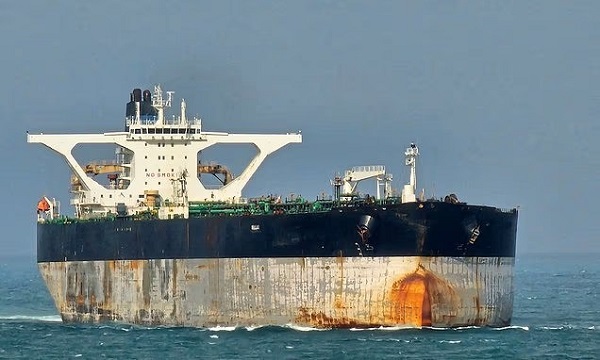
The United States has sharply escalated its enforcement of sanctions on Venezuelan oil exports, seizing two tankers in coordinated military operations spanning the North Atlantic and the Caribbean, a move that has drawn an angry response from Moscow and heightened geopolitical tensions at sea.
In a dramatic commando-style operation, US special forces boarded the oil tanker formerly known as Bella 1, later renamed Marinera, in international waters roughly 124 miles south of Iceland after a pursuit lasting more than two weeks. Almost simultaneously, US forces intercepted a second vessel, the Panama-flagged Motor Tanker Sophia, in the Caribbean Sea. Both ships were linked to the transport of Venezuelan crude oil in defiance of US sanctions.
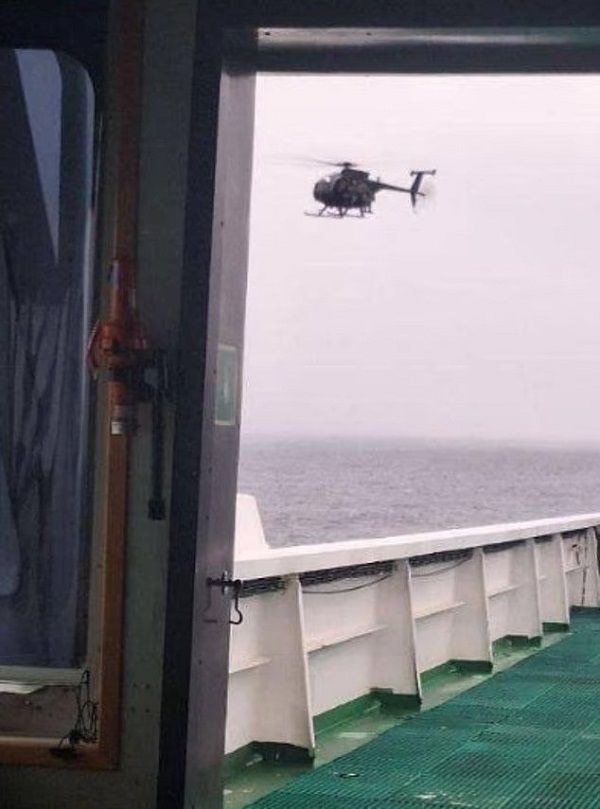
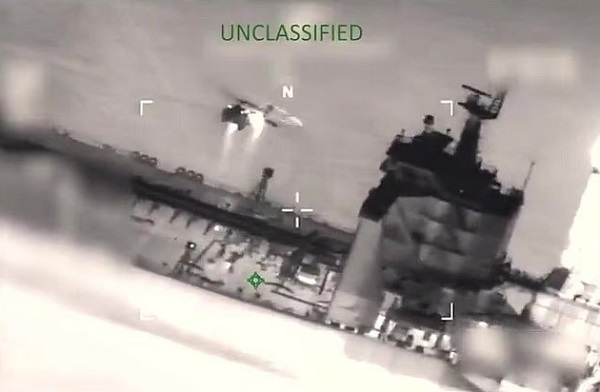
Video footage and images released by US and Russian media showed American helicopters hovering low over the North Atlantic tanker as armed personnel descended onto its deck. The US Coast Guard confirmed that the operation was carried out without injuries and described the vessel as part of a so-called “dark fleet” used to evade sanctions through deceptive shipping practices.
The seizures mark one of the most aggressive maritime enforcement actions taken by Washington in years and signal a hardening of the Trump administration’s strategy to exert economic pressure on Venezuela while simultaneously confronting Russian involvement in sanctions evasion networks.
US Defense Secretary Pete Hegseth said the Venezuelan oil blockade was now being enforced globally, warning that “no ship is safe anywhere in the world” if it is involved in illicit oil trading. Homeland Security Secretary Kristi Noem echoed that message, calling the tankers “ghost fleet” vessels and describing the operation as a warning to what she termed “the world’s criminals.”
The North Atlantic operation was conducted with substantial British support. The UK Ministry of Defence confirmed that Royal Air Force surveillance aircraft, UK airbases, and the Royal Fleet Auxiliary vessel RFA Tideforce provided logistical and operational assistance at Washington’s request. British Defence Secretary John Healey said the seizure was part of a broader effort to crack down on sanctions-busting activity linked to a “Russian-Iranian axis” that fuels instability from Ukraine to the Middle East.
Russia reacted swiftly and angrily. The Ministry of Transport said it lost contact with the Marinera after US forces boarded the vessel, which it claimed was legally flying the Russian flag under a temporary permit issued on December 24 in accordance with Russian and international law. The ministry stressed that the tanker was outside any country’s territorial waters at the time of the boarding.
Citing the 1982 UN Convention on the Law of the Sea, Russian officials said “no state has the right to use force against vessels duly registered in the jurisdictions of other states.” The Foreign Ministry said it was “following with concern” the situation surrounding the tanker and urged the US to ensure humane treatment of Russian citizens on board and not obstruct their return home.
Senior Russian lawmaker Andrei Klishas went further, calling the seizure “outright piracy.” Moscow had previously lodged diplomatic protests during the pursuit, particularly after the tanker abruptly changed course, repainted its hull with a Russian flag, renamed itself, and was added to a Russian ship registry while attempting to evade US authorities.
The second vessel, M/T Sophia, was intercepted in a pre-dawn operation in the Caribbean. According to US officials, the ship was operating as a stateless, sanctioned tanker engaged in illicit activities. The Coast Guard is now escorting it to the United States for final disposition.
Energy analysts say the stakes are significant. Emmanuel Belostrino of analytics firm Kpler said the Sophia was carrying approximately two million barrels of Venezuelan Merey crude oil loaded at the Jose Oil Terminal in late December, with a market value of around $113 million. The tanker had previously carried similar cargoes from Venezuela earlier in 2025, some of which were believed to have been transferred via covert ship-to-ship operations.
At the political level, senior US officials have framed the seizures as part of a broader plan to take control of Venezuela’s oil exports. Secretary of State Marco Rubio said Washington is preparing to execute a deal to take between 30 and 50 million barrels of oil currently stuck in Venezuela and sell it at market rates, with the proceeds managed under US oversight.
“That money will be handled in a way that benefits the Venezuelan people, not corruption and not the regime,” Rubio said, adding that Venezuela’s interim authorities have asked for the oil seized from the Sophia to be included in the deal. He acknowledged that political change in Venezuela would not happen overnight but said progress was already visible.
Energy Secretary Chris Wright went further, saying the US would control the sale of Venezuelan oil “indefinitely,” allowing crude to flow to US refineries and global markets while keeping revenues under American supervision.
President Donald Trump celebrated the operation on social media, portraying it as a show of strength against both Russia and China. The seizures come just days after other high-profile actions by Washington, reinforcing what officials describe as an “America First at sea” doctrine.
For Russia, the episode represents a fresh diplomatic and symbolic setback, unfolding close to areas where Russian military assets were reportedly present. For the global shipping industry, it underscores the growing risks of operating in sanctions gray zones as the US signals it is prepared to enforce its policies far beyond its own shores.
