

Ahmed Kamel – Egypt Daily News
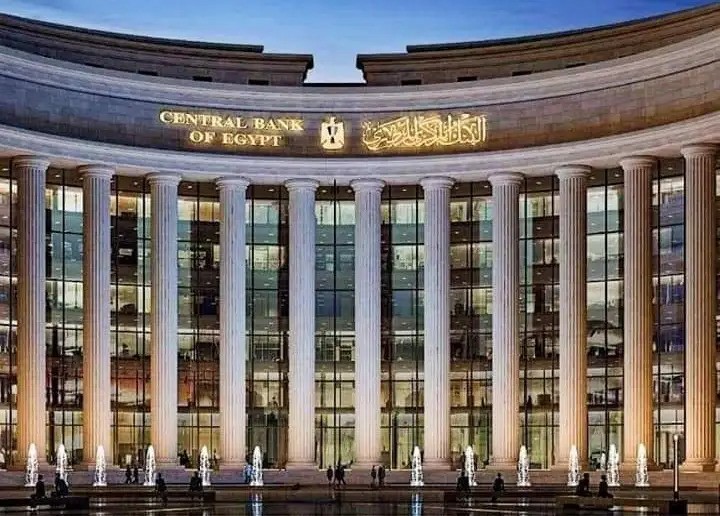
Foreign currency deposits held by Egypt’s banking sector exceeded the equivalent of EGP 3 trillion by the end of November 2025, according to newly released data from the Central Bank of Egypt, reflecting continued growth in hard-currency savings across different economic sectors.
The central bank said total foreign currency deposits reached the equivalent of EGP 3.028 trillion at the end of November, up from EGP 2.992 trillion recorded at the end of October, marking a month-on-month increase that underscores improving foreign currency liquidity within the banking system.
Demand deposits denominated in foreign currencies rose to the equivalent of EGP 765.4 billion by the end of November, compared with EGP 742.1 billion a month earlier. The data showed that public sector business entities held approximately EGP 44 billion of these deposits, while private sector companies accounted for around EGP 512.9 billion. Household deposits made up about EGP 208.7 billion, reflecting continued confidence among individuals in holding foreign currency assets within the formal banking sector.
Time deposits and foreign currency savings certificates also recorded an increase, reaching the equivalent of EGP 2.262 trillion by the end of November, up from EGP 2.250 trillion in October. These longer-term deposits remain the dominant component of foreign currency holdings in Egyptian banks.
The breakdown of time deposits and savings certificates showed that the household sector held the largest share, with deposits totaling approximately EGP 1.6 trillion. Private sector businesses followed with around EGP 512.3 billion, while public sector enterprises accounted for about EGP 149.6 billion.
Economists note that the steady rise in foreign currency deposits reflects a combination of improved inflows from remittances, tourism revenues, and external financing, as well as greater confidence in the stability of Egypt’s banking system. The data also highlights the central role of households in sustaining foreign currency liquidity, particularly through long-term savings instruments.
The Central Bank of Egypt has emphasized that strengthening foreign currency resources remains a key pillar of monetary and financial stability, especially amid ongoing global economic uncertainty and volatile capital flows.
