

Ahmed Kamel – Egypt Daily News
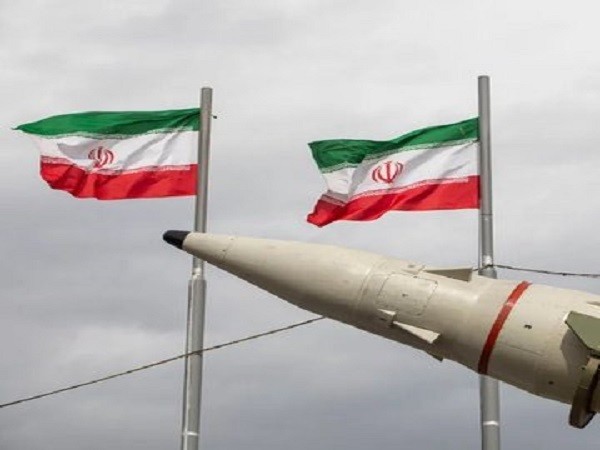
Iran has issued stark warnings of intensified military action against the United States and Israel, vowing “more crushing, broader and more destructive” attacks as hostilities spread across the Middle East in a significant escalation of the conflict.
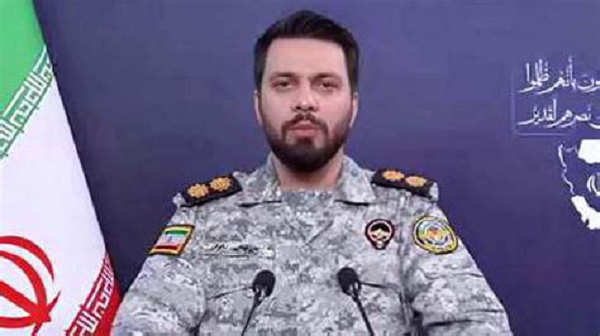
The warning was delivered by Ebrahim Zolfaqari, a spokesperson for Iran’s Khatam al-Anbiya central headquarters, who said Tehran’s adversaries would face “permanent regret and surrender.” His remarks came as Iranian strikes and countermeasures were reported across multiple locations in the region.
The escalation follows a forceful address by Donald Trump, who warned that the United States could strike Iran “extremely hard” within the next two to three weeks, threatening to send the country “back to the Stone Age” if it failed to reach an agreement. The speech, his first primetime national address since the war began on February 28, offered few operational details but signaled a willingness to intensify military pressure.
Despite the rhetoric, Trump did not provide a clear timeline for ending the conflict or specify whether US ground forces would be deployed. He reiterated that “Operation Epic Fury” was nearing completion and claimed American military objectives were close to being achieved.
Across the Gulf, regional powers reported defensive actions amid the heightened tensions. Both Saudi Arabia and the United Arab Emirates confirmed interception operations, indicating that missile or drone threats had extended beyond the immediate conflict zone.
The economic impact has been immediate. Global oil markets reacted sharply, with Brent crude prices rising above $100 per barrel amid fears of supply disruptions. The surge reflects growing concerns over the security of the Strait of Hormuz, a vital route through which roughly 20 percent of the world’s oil supply passes.
Trump attributed the price spike to Iranian attacks on commercial shipping and regional targets, while attempting to reassure Americans that the increase would be temporary. He also called on US allies to take greater responsibility for securing maritime routes, suggesting that countries heavily dependent on Gulf oil should lead efforts to reopen the Strait.
European allies, including the United Kingdom and France, have signaled a willingness to assist in safeguarding the waterway, though only after active hostilities subside. Trump also expressed frustration over what he sees as insufficient burden-sharing, at one point hinting at a potential reassessment of US commitments to NATO, though he did not address the issue directly in his speech.
Inside Iran, infrastructure has come under increasing strain. Iranian media reported that a major highway bridge linking Tehran to Karaj described as one of the tallest in the Middle East, was struck in a series of attacks. Initial reports said at least two people were killed, with additional casualties feared after a second strike targeted the site while emergency responders were present.
With rhetoric intensifying and military operations continuing across multiple fronts, analysts warn that the conflict risks expanding further, with significant consequences for regional stability and global energy markets.
