

Ahmed Kamel – Egypt Daily News
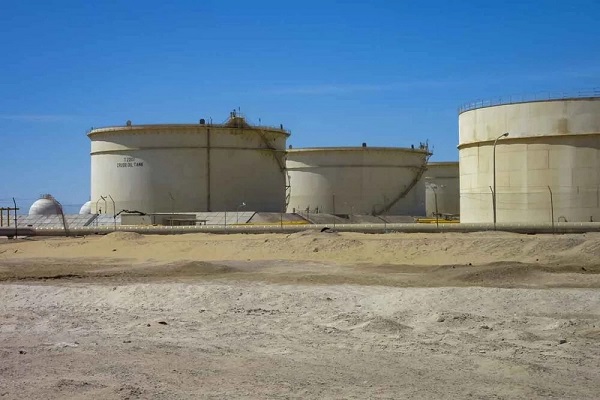
Egypt is in advanced discussions with Abu Dhabi Ports Company over a potential agreement to lease oil storage facilities along the Red Sea, a move that could accelerate Cairo’s emergence as a key hub in global energy logistics.
The proposed deal comes at a pivotal moment for global energy markets, as disruptions in shipping routes through the Strait of Hormuz push traders and producers to seek alternative corridors. Egypt, with its strategic geography and expanding infrastructure, is positioning itself to capture that shift.
Officials familiar with the talks say negotiations are ongoing, with both sides aiming to finalize terms before the end of the second quarter. The discussions include the scale of storage capacity, facility locations, and the structure of lease agreements.
Red Sea Emerges as Strategic Alternative
Rising geopolitical tensions have reshaped traditional energy routes, forcing major producers to rethink logistics. Companies such as Saudi Aramco have already rerouted shipments toward Red Sea outlets like Yanbu to maintain supply flows.
This shift is rapidly elevating the importance of Egypt’s Red Sea coastline, not just as a transit corridor, but as a storage and redistribution center linking Gulf producers to European and global markets.
Untapped Capacity, Rising Opportunity
Egypt holds a significant advantage: an estimated 29 million barrels of available storage capacity across its ports. Authorities have recently moved to capitalize on that by offering multiple storage sites for lease, particularly at Ain Sokhna and Ras Badran.
The strategy reflects a broader push to monetize logistics assets while strengthening the country’s role in energy trading and distribution.
Between Opportunity and Control
Still, the potential deal is not without debate.
Energy expert Hafez El-Salmawy warns that while foreign investment in storage infrastructure can deliver economic gains, it must be weighed against long-term strategic considerations.
Egypt already operates a robust network of pipelines, storage facilities, and refining capacity, reinforced by its unique position connecting the Red Sea and the Mediterranean. Expanding that system, rather than leasing it out extensively, may offer greater long-term value.
Energy Security in Focus
The discussion also highlights a broader challenge: energy security.
While oil storage is commercially attractive, experts argue that Egypt’s more pressing need lies in strengthening its natural gas reserves to cushion against supply shocks and volatile global markets.
Options such as offshore or floating storage may offer flexibility, but they come with trade-offs particularly around control and security, compared to onshore reserves within Egyptian territory.
A Defining Moment for Egypt’s Energy Strategy
As global energy flows continue to shift, Egypt finds itself at a crossroads.
A deal with Abu Dhabi Ports could deliver immediate economic and strategic gains, anchoring the country deeper into global supply chains. But the long-term impact will depend on how Cairo balances foreign partnerships with maintaining control over critical infrastructure.
What is clear is that the Red Sea is no longer just a passage—it is becoming a battleground for influence in the future of global energy.
