

Ahmed Kamel – Egypt Daily News
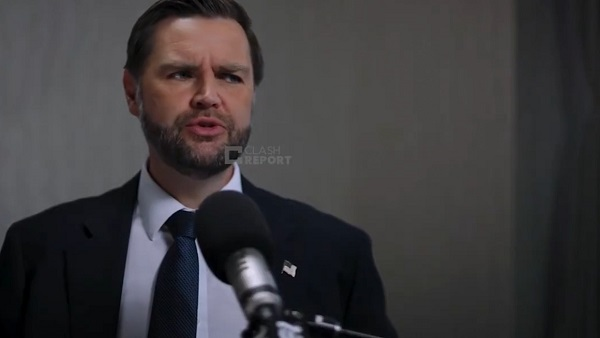
US Vice President JD Vance has said that Israel cannot rely on military force alone to solve its national security challenges, as debate intensifies over a new US–Iran understanding involving the Strait of Hormuz and nuclear restrictions. His comments came during an interview with The New York Times’ Ross Douthat, where he addressed criticism from Israeli political figures.
Vance referenced criticism from Israeli officials Itamar Ben-Gvir and Bezalel Smotrich, saying opponents of the deal had not presented a clear alternative strategy. He argued that Israel, as a small country, faces limits in relying solely on military responses to long-term security threats.
The discussion comes amid reporting on a new US–Iran memorandum of understanding aimed at reopening the Strait of Hormuz and managing Iran’s nuclear program. Supporters of the arrangement argue it could reduce the risk of wider regional conflict, while critics say it resembles earlier nuclear agreements that offered economic concessions to Tehran.
During the interview, Vance said parts of Israel’s political system were reacting strongly to the agreement and may be influenced by incomplete or inaccurate information. He added that he believes the deal would ultimately benefit regional stability, including Israel’s security.
Vance also stressed that US policy decisions are guided by American national interests, even when those interests diverge from those of allies. He said the administration would prioritize US objectives if disagreements emerge with Israel or other partners.
The vice president noted that he had not seen Israeli Prime Minister Benjamin Netanyahu publicly oppose the deal, but said other Israeli figures had been vocal in their criticism. The comments come amid heightened political sensitivity in Israel following recent regional military developments involving Hezbollah and Lebanon.
The debate reflects growing tensions between Washington and parts of Israel’s political leadership over how to handle Iran and broader regional security risks. The issue has become more prominent as diplomatic efforts continue alongside ongoing conflicts in the Middle East.
