

Ahmed Kamel – Egypt Daily News
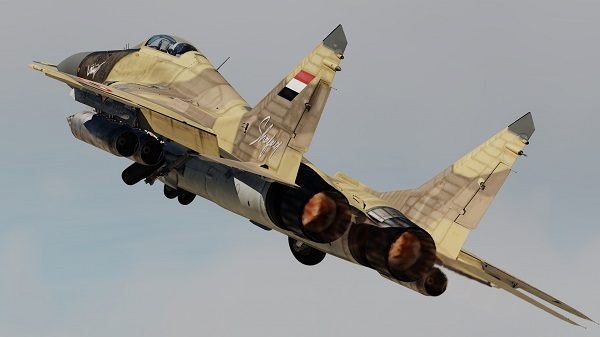
Yemeni government forces have reported carrying out a series of airstrikes against Houthi military positions, supply movements and weapons storage facilities in the provinces of Taiz and Saada, as fighting intensifies across several fronts.
According to military statements, the attacks focused on Houthi reinforcements and equipment shortly after they arrived at a newly established camp in Al-Hawban, east of Taiz city. The operation reportedly targeted military vehicles, troop concentrations and logistical supplies believed to have been sent to support Houthi units operating in the area.
Additional strikes were reported in the northern province of Saada, the traditional stronghold of the Houthi movement. Military sources said aircraft attacked positions and vehicles in the areas of Maran and Saqin. The strikes were also said to have hit weapons warehouses and command facilities used by the group.
The Yemeni military claimed that the attacks caused a significant number of deaths and injuries among Houthi fighters. Several field commanders were reportedly among the casualties, while a command center, weapons depots and military vehicles were said to have been destroyed. The claims could not be independently verified, and the Houthis had not immediately released a detailed response addressing the reported losses.
The latest operation followed another wave of attacks conducted the previous day in and around Taiz. Those strikes reportedly targeted Houthi positions near the Mawiyah Junction, the Akboush area and a convoy moving along Sixtieth Street north of Taiz. Military officials described the convoy as a reinforcement column heading toward active front lines.
Airstrikes were also reported in Al-Makhaadir district in neighboring Ibb province, where Houthi forces maintain positions and supply routes connecting central and northern parts of Yemen. The area has strategic importance because it lies along routes used to move personnel and equipment toward Taiz and other contested regions.
Taiz has remained one of the most important battlefields in Yemen’s prolonged civil war. The province contains major roads linking the country’s western coast with the interior, and its mountainous terrain provides control over routes between government-held areas in the south and Houthi-controlled territory farther north. The city itself has been divided for years, while surrounding districts have repeatedly witnessed artillery exchanges, ground offensives and air operations.
Recent military developments indicate that the front lines may be entering a more active phase. Government-aligned forces have increased efforts to disrupt Houthi supply corridors, while the movement has continued to reinforce positions around Taiz and other strategic locations. Control of those routes could affect the ability of both sides to transport ammunition, fuel and personnel.
The renewed fighting is also connected to broader regional developments. The Houthi movement controls the capital, Sanaa, as well as much of northern and western Yemen. Government forces and allied formations retain control of large areas in the south and east, but they remain divided among several military and political factions. This fragmentation has made it difficult to organize a unified strategy against the Houthis.
The conflict began in late 2014, when the Houthis seized Sanaa and expanded into other parts of the country. A Saudi-led military coalition intervened in 2015 to support the internationally recognized government. Although the intensity of the conflict later declined in several areas, no comprehensive peace agreement has ended the war. The humanitarian consequences have remained severe, with millions of Yemenis dependent on aid and many communities facing restrictions on food, fuel, health care and movement.
The latest airstrikes could complicate efforts to revive negotiations. Any major escalation around Taiz or Saada would risk triggering retaliatory attacks, renewed displacement and further damage to civilian infrastructure. Previous operations in populated areas have also raised concerns about civilian casualties, particularly when military facilities are located near homes, roads and commercial districts.
The Yemeni government has presented the strikes as part of an effort to weaken Houthi military capabilities and prevent the movement from transferring reinforcements to active fronts. The Houthis, meanwhile, have generally portrayed such attacks as evidence of continued foreign-backed aggression and have threatened to respond against military and strategic targets.
Military officials said operations would continue against Houthi positions in Taiz, Saada and other provinces. However, the absence of independent access to many of the affected areas makes it difficult to assess the scale of the damage or verify casualty figures. Local residents and humanitarian organizations are likely to face growing challenges if the fighting expands, particularly in districts where civilians have already endured years of siege, displacement and economic collapse.
For now, the reported attacks suggest that the conflict is moving toward another period of escalation. The outcome will depend not only on battlefield developments but also on whether Yemen’s rival factions and their regional supporters can restore diplomatic channels capable of preventing the violence from spreading.
