

Ahmed Kamel – Egypt Daily News
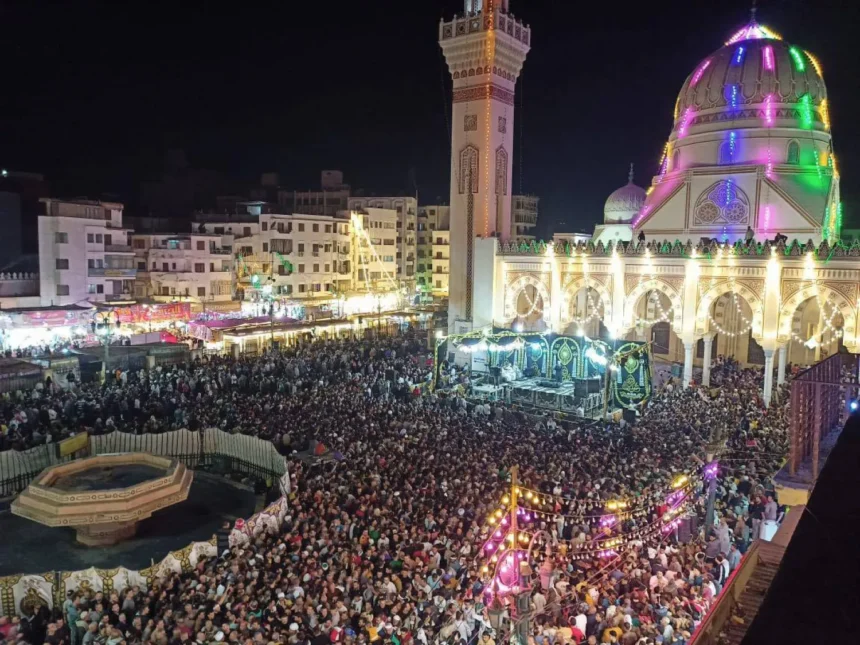
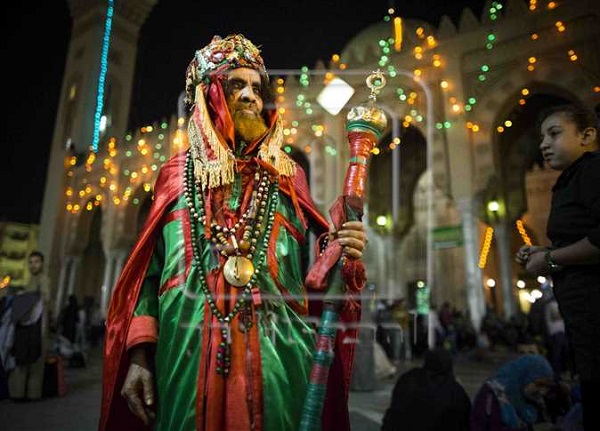
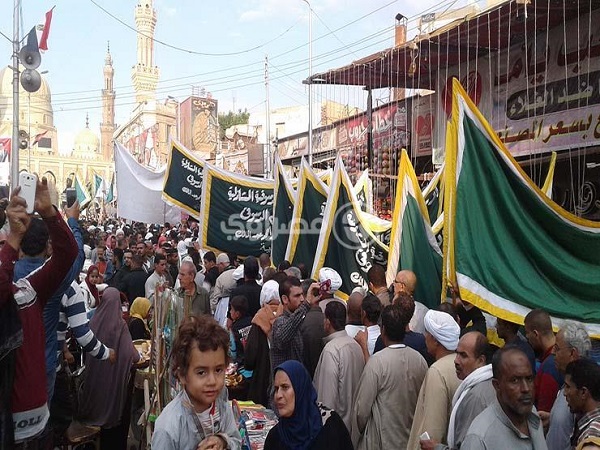
In the heart of Tanta, a bustling city in northern Egypt, hundreds of thousands gathered recently to commemorate the annual Moulid Al-Sayyid Al-Badawi, a religious festival celebrating the legacy of one of Egypt’s most venerated Sufi saints. As streets overflowed with devotees, tents, and the rhythms of mystical chants, the scene ignited fresh public debate about the role of saints, or awliya’, in Egypt’s cultural and religious identity.
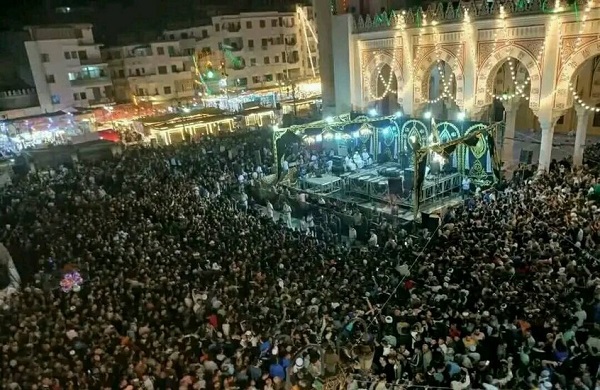
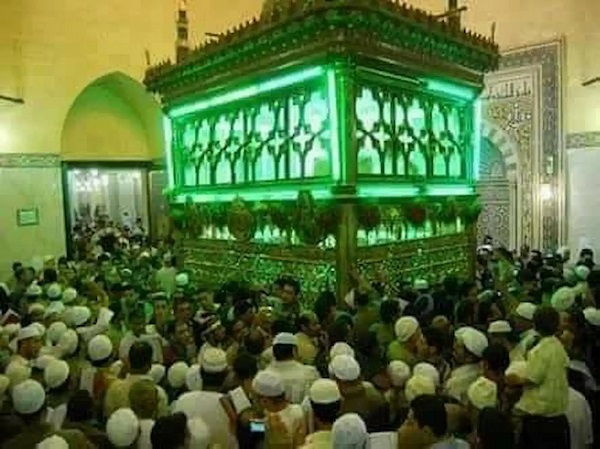
The week-long celebration, centered around the iconic Ahmadi Mosque where Al-Badawi is buried, is one of the largest religious gatherings in Egypt. Pilgrims from across the country and neighboring nations flock to the city for days of spiritual remembrance, Sufi chanting (dhikr), and traditional festivities. This year’s unprecedented turnout estimated at over two million participants, prompted both awe and controversy.
Between Spiritual Devotion and Cultural Tradition
The spectacle caught the attention of mainstream media, with popular TV host Amr Adib questioning the massive participation during his show Al-Hekaya on MBC Misr. “Why is everyone drawn to this particular moulid?” he asked, expressing concern over certain practices like touching the saint’s shrine or invoking his help rituals that some view as bordering on superstition.
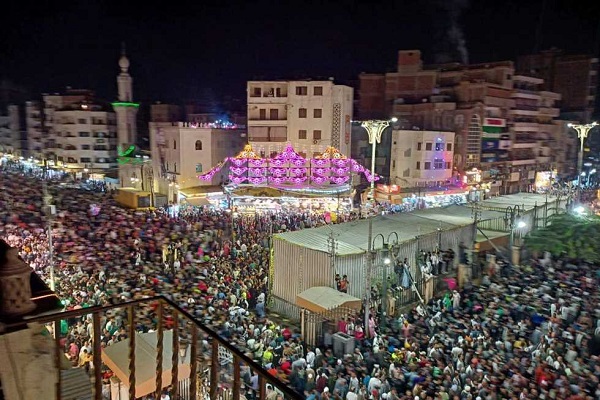
However, many Egyptians see the festival as a cherished tradition. Sports journalist Ahmed Shobeir, a native of Tanta, defended the event on social media, describing it as “the biggest occasion of the year” for the city. “The moulid has always been like this, it’s an integral part of our local economy and heritage,” he wrote, noting how local businesses rely heavily on the influx of visitors during the celebration.
Writer and physician Khaled Montaser, known for his secular views, took a more critical stance. In a Facebook post, he lamented what he called the “collective retreat into irrationality,” arguing that the veneration of saints and belief in miracles perpetuates “a culture of magical thinking that hinders scientific and civilizational progress.” Montaser urged for a clearer separation between religious faith and folkloric belief, concluding: “We won’t manufacture medicine or defend our borders with superstition, we need science, not saints.”
In contrast, broadcaster Ahmed Salem offered a more reconciliatory view during his show Kalima Akheera on ON TV. He described moulids as “a vital part of Egypt’s spiritual and cultural fabric,” emphasizing their deep emotional and communal significance. “Why should we be ashamed of our folkloric heritage?” he asked. “Egypt has always been Sunni in doctrine but carries a deep love for the Prophet’s family.”
Salem also criticized what he described as moral gatekeeping by religious purists. “We need to respect diversity in religious expression, as long as no one’s rights are being violated,” he said.
Authorities Step In
Following the climax of the festival, local authorities in Gharbia Governorate launched a comprehensive cleanup operation around the mosque and adjacent streets. Sanitation workers, supported by the Health Ministry, deployed water mixed with chlorine and soap to restore the area, aiming to preserve the city’s aesthetic appeal after the departure of the masses.
A Sufi Perspective: Not Innovation, But Remembrance
For proponents of Sufism, the moulid is far from irrational or un-Islamic. Dr. Mohamed Mahmoud Abu Hashim, a senior member of Egypt’s Supreme Council for Sufi Orders, emphasized that such events are rooted in Islamic tradition. In an interview with CNN Arabic, he argued, “Remembering the righteous and celebrating their lives is both spiritually enriching and religiously permissible.”
He stressed that Al-Sayyid Al-Badawi, revered for his piety and leadership, even stood against French occupation forces in the 18th century, a claim echoed in local lore. “This isn’t about saint-worship,” Abu Hashim said, “but about honoring the memory of those who served their religion and society.”
He cited the Quranic verse: “Indeed, the friends of Allah will have no fear, nor will they grieve” (Yunus 10:62), and a famous hadith qudsi: “Whoever shows hostility to a friend of Mine, I will declare war against him,” underscoring the sanctity afforded to saints in Islamic teachings.
Cultural and Economic Dimensions
Abu Hashim described moulids as “seasons of good,” where people gather not only for worship but also to share food, spread goodwill, and engage in communal learning. The Tanta festival, he claimed, is second only to the Hajj pilgrimage in terms of Islamic gatherings. He highlighted that the festival area known as “El-Mala’a”, hosts expansive tents and spiritual gatherings, drawing even foreign tourists eager to document this unique fusion of religion and folklore.
Responding to criticism of un-Islamic behavior during moulids, Abu Hashim acknowledged that isolated incidents occur but insisted they do not reflect the spirit of the event. “Whenever any excesses are seen, the Sufi sheikhs intervene immediately. The overall atmosphere is peaceful, and notably, no major crimes such as theft or harassment are recorded during the moulid.”
Historical Roots and Religious Legitimacy
Egypt’s official religious authorities have also weighed in. A fatwa issued by Dar Al-Iftaa clarified that Al-Sayyid Al-Badawi, born in 1199 CE in Fez, Morocco, and a descendant of the Prophet Mohamed, is recognized as one of the great Sufi leaders in Islamic history. His arrival in Tanta transformed the city into a center of religious learning, earning its Ahmadi Mosque the nickname “the twin of Al-Azhar.”
The fatwa emphasized that celebrating his moulid is not a religious innovation (bid‘ah), but a legitimate form of honoring righteous individuals within Islam’s spiritual heritage.
Reform from Within
Still, calls for reform are not absent. Sheikh Ibrahim Reda, a scholar from Al-Azhar, acknowledged the importance of honoring pious figures but cautioned against ritualistic excess. “The true celebration lies in emulating the virtues of the righteous,” he said. While opposing shrine-centric practices like kissing tombs or exaggerated saint veneration, Reda urged a balanced approach between the Sufi and Salafi interpretations of Islam.
He noted that the overwhelming crowds this year were partially a result of pent-up desire following years of cancelled festivals during the COVID-19 pandemic. Many in rural and suburban communities, he added, have long associated moulids with joy, community, and social cohesion, even more than religious observance.
As Egypt navigates its modern identity, the Moulid of Al-Sayyid Al-Badawi continues to reflect the enduring relation between religious tradition, cultural expression, and societal modernization. Whether seen as a spiritual revival, a folkloric ritual, or a socio-economic engine, the festival remains deeply woven into the fabric of Egyptian life.
