

Ahmed Kamel – Egypt Daily News
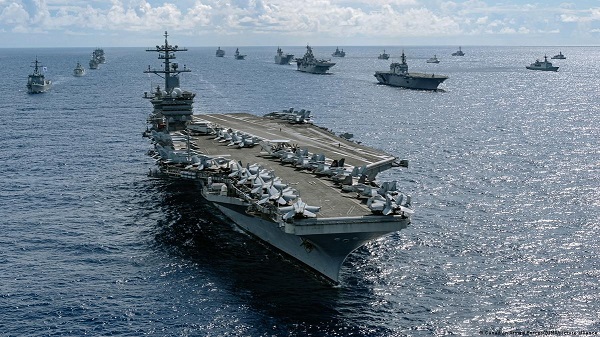
The United States Armed Forces is preparing to board and potentially seize Iran-linked commercial vessels in international waters within days, according to U.S. officials, signaling a major escalation in efforts to disrupt Tehran’s oil network.
The planned operations would extend far beyond the Middle East, targeting ships across global shipping routes suspected of helping Iran move النفط and bypass sanctions.
Global maritime push
Officials said American forces are ready to pursue and intercept tankers tied to Iran’s energy exports, marking a shift from regional containment to a broader international enforcement campaign.
The move comes as tensions sharply escalate at sea, with Iran tightening control over the strategically critical Strait of Hormuz.
Hormuz tensions spike
Iranian forces attacked multiple commercial vessels on Saturday and declared the waterway under strict control, triggering alarm across global shipping markets.
The escalation came just a day after Iran’s top diplomat, Abbas Araghchi, said the strait remained fully open, highlighting rapidly shifting conditions on the ground.
Shipping companies are now scrambling to reroute vessels or suspend transit altogether, raising fears of supply disruptions and rising energy costs.
Risk of direct confrontation
The U.S. plan to board ships in international waters introduces a significant risk of direct encounters between American forces and Iran-linked crews or escorts.
Such operations are legally sensitive and could be viewed by Tehran as an act of escalation, particularly if seizures occur outside traditional conflict zones.
Energy markets on edge
The combined effect of Iran’s actions in Hormuz and the expanding U.S. naval crackdown is sending shockwaves through global oil markets.
Analysts warn that any sustained disruption could trigger a sharp spike in prices, especially if key shipping lanes remain contested.
A widening maritime conflict
The developments suggest the confrontation between Washington and Tehran is entering a new phase, one that extends beyond regional flashpoints into a broader struggle over global trade routes.
With both sides signaling readiness to act, the coming days could prove critical in determining whether tensions de-escalate or spiral into a wider maritime conflict.
