

Ahmed Kamel – Egypt Daily News
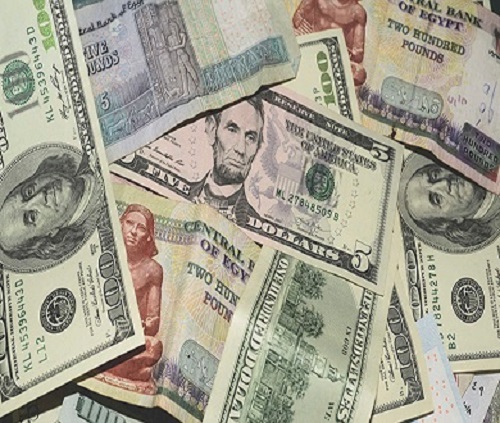
The US dollar declined against the Egyptian pound during trading on Tuesday, 14 April 2026, falling by between 54 and 61 piastres compared to earlier levels in the session, according to updated exchange rate data published by major Egyptian banks.
The drop reflects renewed volatility in foreign exchange markets, as currency movements continue to respond to shifts in capital inflows and investor sentiment.
Foreign Investment Boosts Local Currency Supply
Market analysts attribute the decline in the dollar to increased foreign investor appetite for Egyptian treasury instruments, particularly local-currency treasury bills. The inflows have helped boost dollar liquidity in the domestic market, easing pressure on the US currency and supporting the Egyptian pound.
The movement comes amid ongoing efforts by Egyptian authorities to stabilize the foreign exchange market and attract portfolio investments to strengthen reserves.
Dollar Rates Across Major Banks
According to updated pricing across five major banks, the dollar recorded noticeable declines in both buying and selling rates:
- National Bank of Egypt: EGP 52.50 (buy), EGP 52.60 (sell), down by 59 piastres
- Banque Misr: EGP 52.51 (buy), EGP 52.61 (sell), down by 58 piastres
- Banque du Caire: EGP 52.50 (buy), EGP 52.60 (sell), down by 59 piastres
- Alexandria Bank: EGP 52.48 (buy), EGP 52.58 (sell), down by 61 piastres
- Commercial International Bank Egypt: EGP 52.50 (buy), EGP 52.60 (sell), down by 54 piastres
Market Outlook
Currency traders say the pound’s recent gains remain closely tied to short-term capital flows rather than structural shifts in the foreign exchange market. As a result, volatility is expected to continue in the near term, particularly as global risk sentiment and interest rate expectations evolve.
Still, the latest drop in the dollar highlights the sensitivity of Egypt’s currency market to investment inflows, especially in government debt instruments, which remain a key driver of foreign exchange liquidity.
